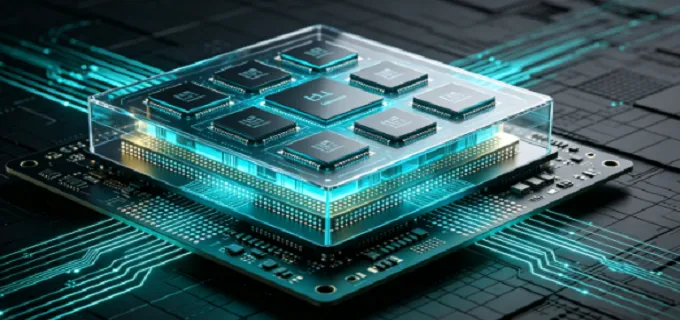
The AI industry celebrates transistor counts, FLOPS, and memory bandwidth. But there's a less glamorous problem quietly limiting performance scaling: the physical packaging bottleneck.When a moder...
The Gap Between Simulation and ProductionHigh frequency PCB designs often pass simulation with flying colors—yet fail in production for reasons that are entirely predictable and entirely avoidable. T...
For industrial buyers sourcing HDI (High-Density Interconnect) printed circuit boards, the critical question is not whether a supplier can produce a prototype — it is whether they can deliver several...
The transition from a high-frequency PCB design to a reliable, production-ready board is rarely a straight line. For many hardware engineering teams, the most significant challenges emerge not during ...
Why it mattersInside every ultrasound probe, MRI coil, and patient monitor, faint biological signals travel through printed circuit boards at high frequencies. The quality of the substrate, the precis...
Broadcast transmitters—whether FM radio, VHF/UHF television, or digital terrestrial broadcasting—depend on RF power amplifiers that deliver consistent output power across fixed frequency bands. At t...
Quick Answer: A single-sided PCB has one conductive copper layer and is best suited to circuits with low routing density, stable product volumes, straightforward electrical requirements, and strong c...
AbstractWind turbines operate in some of the most demanding conditions any electronic system can face — continuous mechanical vibration, temperature swings from -40 °C to +70 °C, salt-laden atmosph...
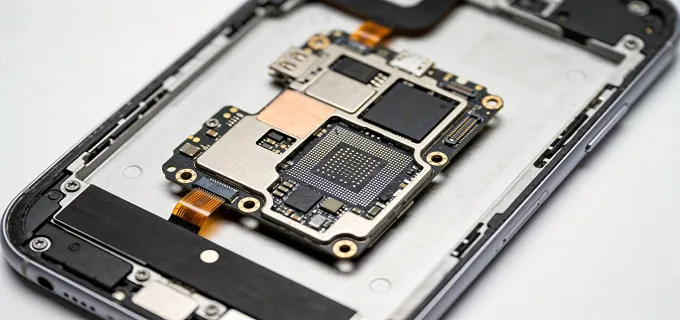
Modern smartphones are continuously decreasing in weight and thickness while simultaneously integrating advanced functionalities, including AI processing, multi-lens camera systems, 5G connectivity, a...
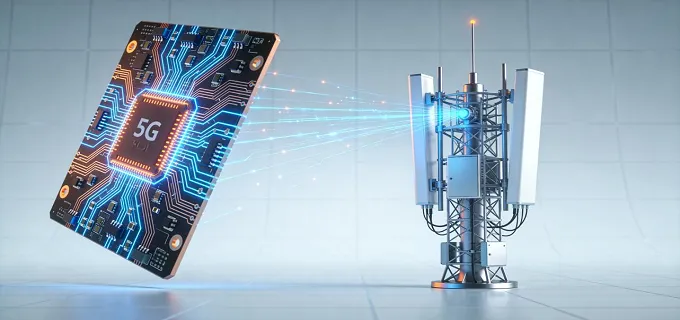
Meta Description: Discover how HDI PCB technology solves critical 5G base station challenges — high-frequency signal integrity at 28GHz+ and thermal management in compact designs. Learn about materia...
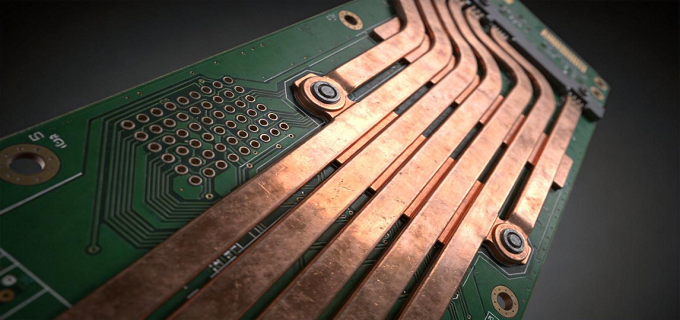
Quick Answer: A heavy copper PCB supports high current by increasing conductor cross-section and spreading heat, but copper weight alone does not determine capacity. Trace width, layer position, temp...
When circuit boards must carry currents above 10A continuously — in solar inverters, EV motor controllers, charger, industrial servo drivers, or server power supplies — standard 1 oz copper traces c...
As electronic devices shrink in size while demanding higher processing power, faster data rates, and more complex functionality, single-sided and double-sided PCBs reach their limits. Dense BGA compon...
High-power electronic products such as solar inverters, EV motor drive boards, industrial servo controllers and server power modules always face two core design pain points: excessive temperature rise...
Quick Answer: CEM-3 is a composite epoxy laminate made with woven glass fabric and glass mat reinforcement. Standard CEM-3 is selected mainly for cost, processability, and suitable electrical perform...
If your design involves LEDs, power MOSFETs, DC-DC converters, or motor drivers, you already know heat is the enemy. Thermal stress causes premature aging, solder joint fatigue, color shift in LEDs, a...
If your products demand more functionality in a smaller footprint, you've likely encountered the limits of conventional PCBs. Signal integrity issues, layer count constraints, or simply not enough...
Quick Answer: Aluminum PCB thermal performance is not determined by the aluminum plate alone. In most designs, the thermal dielectric between the copper circuit and the metal base is the main bottlen...
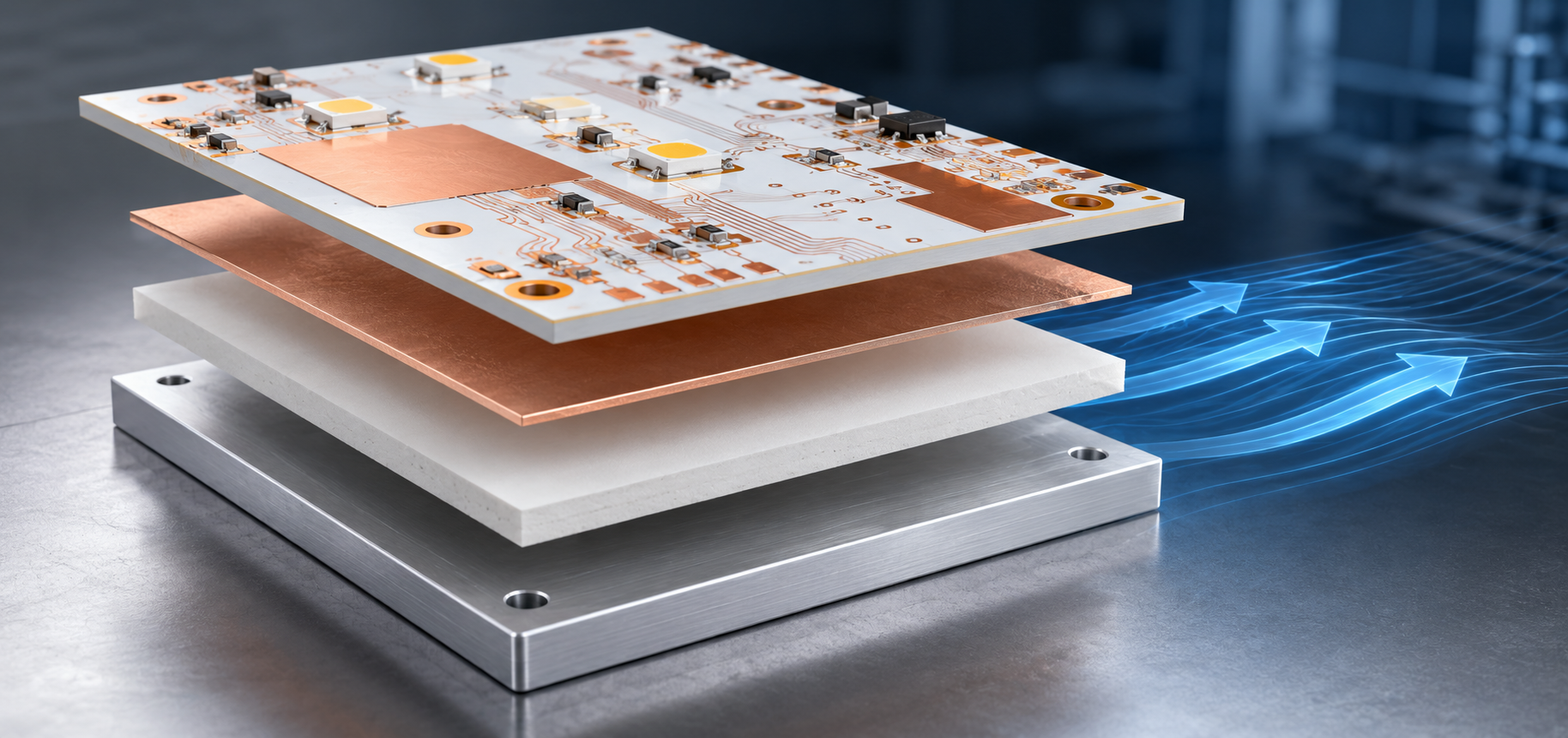
Quick Answer: A standard aluminum PCB stack-up uses a copper circuit layer, a thermally conductive dielectric, and an aluminum base. The stack-up must balance current carrying, heat transfer, electric...
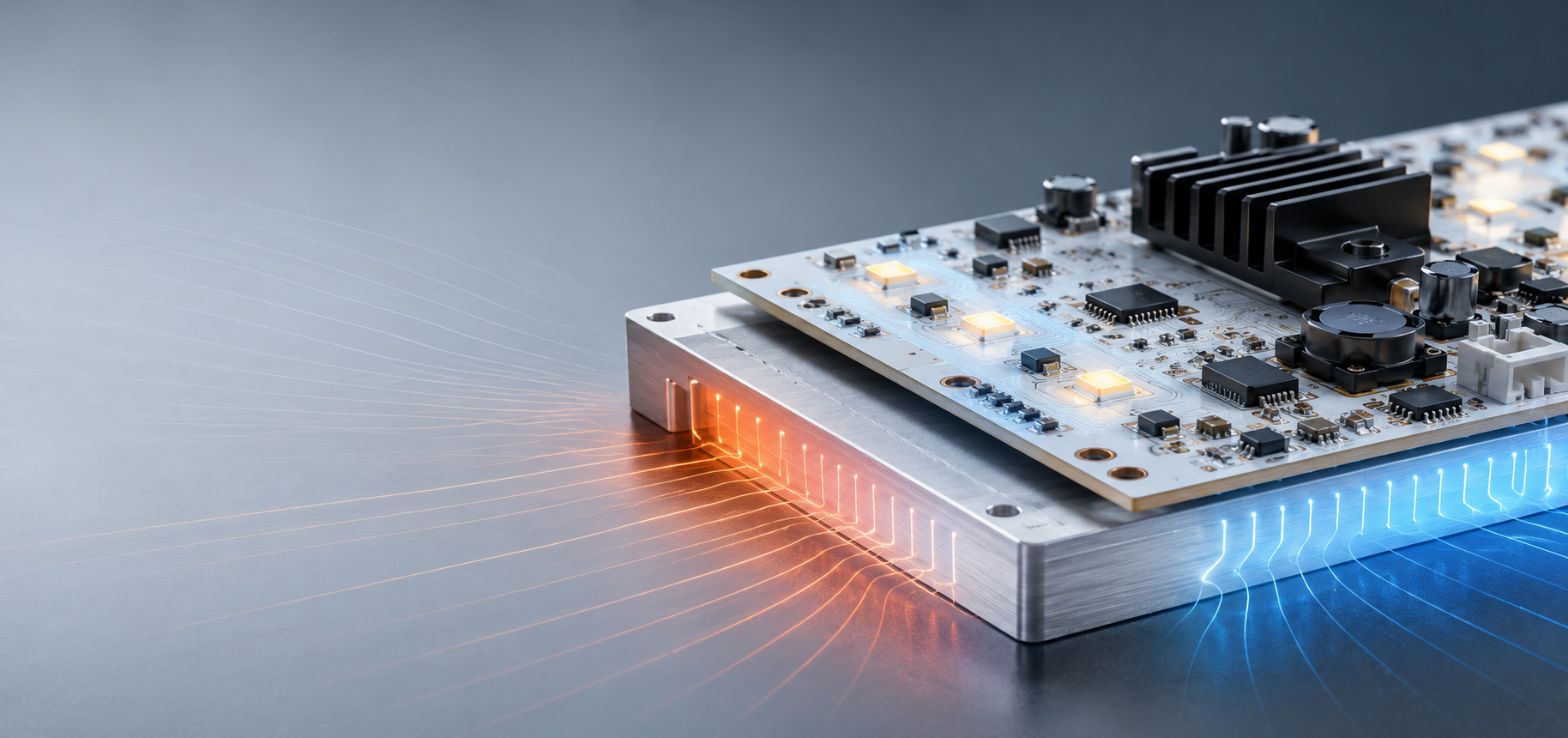
For LED lighting, automotive electronics, power modules, telecom equipment, and compact high-power devices, thermal management is often one of the first design risks to evaluate. When heat cannot move...
High-density electronics require more than a PCB factory that can produce fine lines. Smartphones, IoT modules, medical electronics, AI devices, automotive systems, and telecom products often need mic...
Choosing the right Aluminum PCB material is different from choosing a standard FR-4 material. In high-heat electronics, the board must support electrical connection, insulation, mechanical strength, a...
As electronic products become smaller and more function-dense, traditional PCB layouts often struggle to provide enough routing space. Smartphones, AI devices, medical electronics, IoT modules, automo...
In today's electronics industry, speed, precision, and supply chain reliability are becoming just as important as technical capability.For many European companies sourcing PCB manufacturing, the trad...
Our participation in Focus on PCB 2026 was much more than a trade fair presence.It was an important opportunity to meet customers, partners and professionals from the European electronics industry, ex...
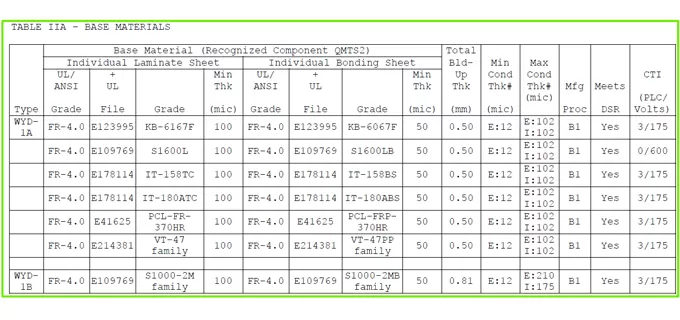
WEIYUANDA Updates (UL Certification 2025)HDI UL Approved:With N+3+N, Max Finished Copper Thickness At 3oz (105um)Heavy Copper UL Approval: Inner & Outer Layers Max Finished Copper Thickness at 210...
The Role of PCB Structure in Circuit DesignPrinted circuit boards are at the core of every modern electronic device, and their structure plays a crucial role in determining functionality, cost, and pe...
The Basics of PCB TechnologyPrinted circuit boards are at the heart of nearly every modern electronic device, serving as the foundation for connectivity and functionality. Standard PCBs, widely used i...
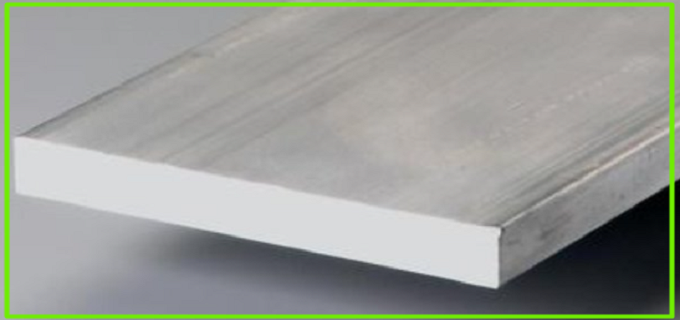
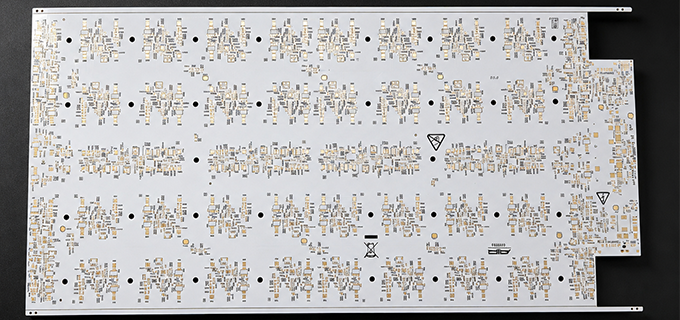
The Importance of PCB Aluminium BoardsIn modern electronics, PCB aluminium board technology has become essential for applications requiring superior heat dissipation, lightweight structure, and durabi...
The Role of Heavy Copper PCB in Modern ElectronicsThe demand for more powerful, reliable, and compact electronics has significantly increased the importance of heavy copper PCB solutions. Unlike stand...
Modern healthcare is rapidly evolving toward smarter, smaller, and more mobile devices. From oxygen concentrators to life-monitoring systems and portable diagnostic equipment, almost every medical dev...
In the rapidly evolving world of technology, electronics PCB boards form the backbone of virtually every device we use today. From smartphones, tablets, and wearable gadgets to industrial machinery, m...
The Role of HDI PCB Boards in Modern ElectronicsHigh-Density Interconnect (HDI) technology has transformed the way printed circuit boards are designed and utilized. An HDI PCB board allows more functi...
In today’s digital era, mobile and consumer electronics have become indispensable. Smartphones, tablets, portable chargers, wearables, and other gadgets are essential tools for communication, work, a...
In the realm of modern electronics, LED PCB boards have become integral components, revolutionizing lighting technology and opening a plethora of possibilities across industries. These boards are para...
In today’s rapidly evolving electronics landscape, consumer electronics PCBs are the hidden foundation powering smarter, thinner, and more connected devices. From smartphones, tablets, and smart TVs ...
In modern electronics development, speed often determines whether a product becomes first-to-market or is quickly outpaced by competitors. That is why fast PCB fabrication, fast PCB prototyping, and f...
Printed Circuit Boards (PCBs) form the backbone of today’s electronics, acting as the platform where components communicate and work together. Yet, a PCB without proper assembly is like a blueprint w...
IntroductionIn today’s rapidly evolving electronics landscape, custom PCBs have become more than a technical requirement—they are strategic tools that enable innovation. Off-the-shelf boards often f...
When it comes to designing modern electronic circuit boards, High Density Interconnect (HDI) technology plays a pivotal role in creating compact, efficient, and high-performance electronic devices. It...
Printed circuit boards (PCBs) are the foundation of modern electronic devices, and double layer PCBs have emerged as a versatile solution for balancing performance, cost, and design flexibility. A dou...
In today’s fast-paced electronics industry, printed circuit boards (PCBs) are the foundation of nearly every device. While single-layer and double-layer PCBs serve basic applications, the demand for ...
Introduction: The Expanding Role of PCBsPrinted circuit boards (PCBs) are the invisible foundation of nearly every modern device. From life-saving medical systems to smartphones, LED lighting, and ren...
The world of electronics is vast and complex, with printed circuit board chemicals (PCBs) being one of the fundamental components in many electronic devices. PCBs not only provide the physical platfor...
Printed circuit boards (PCBs) are fundamental to electronic devices, acting as the central framework upon which most electronic circuit board components are mounted. As technology advances and devices...
For anyone venturing into the world of electronics, understanding the various electronic circuit board components is a foundational step. These components form the building blocks of any electronic pr...
Struggling with compact IoT designs? Multilayer PCBs solve space and performance issues fast.Multilayer PCBs stack circuits to save space and boost connectivity, enabling IoT devices like smart home g...
Printed circuit boards form the nervous system of every electronic device, yet many engineers face preventable failures by choosing unsuitable board technologies. WEIYUANDA's catalogue features si...
Today's vehicles transform into complex electronic hubs where multilayer PCBs serve as the central nervous system. These advanced circuit boards enable critical functions from engine management to...













 EN
EN
 it
it  fr
fr  de
de  ru
ru  pt
pt  es
es 