EN
EN
 it
it  fr
fr  de
de  ru
ru  pt
pt  es
es
Get in Touch with WeiYuanDa Now!


In today’s digital era, mobile and consumer electronics have become indispensable. Smartphones, tablets, portable chargers, wearables, and other gadgets are essential tools for communication, work, and entertainment. At the core of every device lies the android mobile PCB board, which integrates circuits, power management, and signal routing into a compact, reliable platform.
From mobile charger circuit boards in power banks to the many mobile PCB components in wearables and smartphones, PCBs are the unsung heroes of modern electronics. They ensure stable operation, efficient power delivery, and seamless connectivity. This article explores the design, manufacturing, applications, challenges, and trends of mobile and consumer electronics PCBs, highlighting why selecting the right manufacturer is key to product success.
A mobile PCB board is a printed circuit board specifically engineered for mobile devices. Unlike conventional PCBs, mobile PCBs must handle high-speed data, efficient power delivery, and compact component layouts while maintaining reliability. Key characteristics include:
High-Density Layouts – Supporting the compact form factors required for smartphones, tablets, and wearables.
Efficient Power Management – Critical for battery-powered devices and mobile charger circuit boards, ensuring safety and longevity.
Flexible and Rigid-Flex Designs – Enabling foldable phones, smartwatches, and other innovative wearable designs.
Fast Turn Prototyping and Custom Assembly – Accelerating development cycles and time-to-market for new devices.
These features allow mobile devices to operate reliably under continuous use while maintaining sleek and ergonomic designs. Proper layout planning also reduces EMI (electromagnetic interference) and improves signal integrity, critical for devices with high-speed wireless communications.
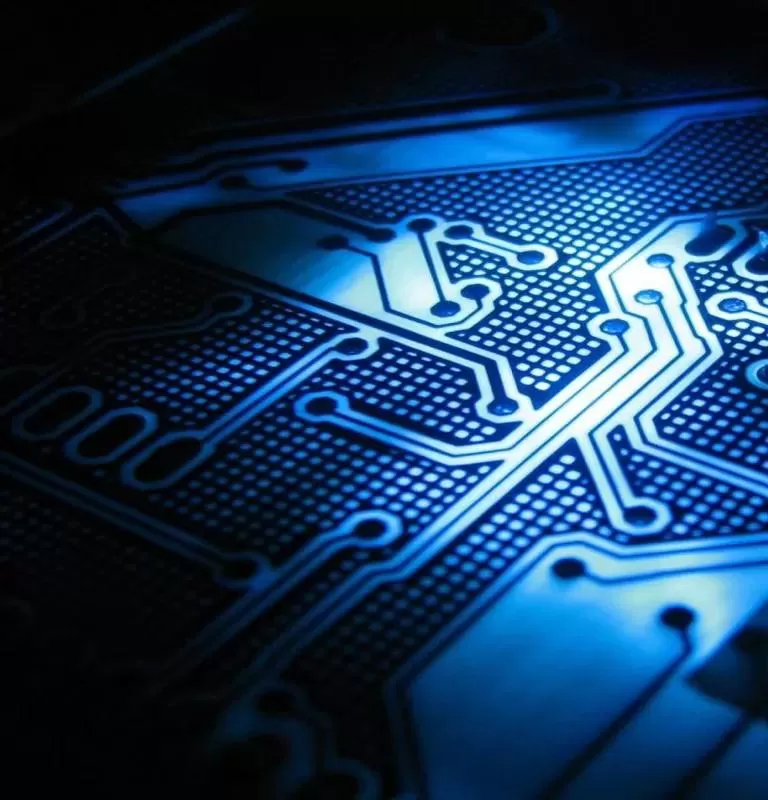
Android Mobile PCB Boards
Android mobile PCB boards are the foundation of devices running the Android OS, including smartphones and tablets. They integrate central processors, memory modules, camera sensors, wireless communication components, and display interfaces.
High-Density Interconnect (HDI) and multilayer designs are standard for these boards, enabling complex circuits to fit into thin and lightweight devices. Advanced PCB designs often include embedded passive components, thermal vias, and controlled impedance layers to enhance performance and maintain data integrity.
Mobile Charger Circuit Boards
A mobile charger circuit board regulates voltage, prevents overheating, and ensures safe power transfer. Advanced designs may include fast charging protocols, overcurrent protection, and intelligent battery management.
Mobile PCB Components
Key mobile PCB components include resistors, capacitors, integrated circuits, connectors, antennas, and sensors. Placement precision, soldering quality, and signal routing directly impact device performance, durability, and safety. For wearables or ultra-compact gadgets, micro-sized components and high-density routing are critical.
Modern mobile PCB components often incorporate miniaturized passive elements, embedded capacitors, and specialized chips for RF (radio frequency) applications, enabling devices to support Wi-Fi, Bluetooth, 5G, and NFC connectivity in small footprints.
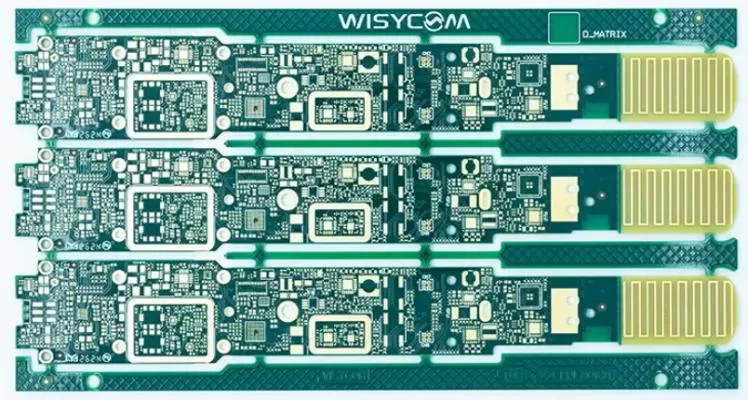
The manufacturing of android mobile PCB boards and mobile charger circuit boards involves several precise steps:
1. Design & Simulation – Engineers perform signal integrity analysis, thermal management simulations, and EMC compliance checks to ensure reliability.
2. Material Selection – High-frequency laminates, thin FR-4 boards, and flexible substrates are selected based on application requirements.
3. Circuit Patterning – Copper traces are etched to create conductive pathways for electronic components.
4. Drilling & Plating – Holes for through-hole components and vias are plated for electrical continuity.
5. Solder Mask & Silkscreen Application – Protects traces and labels components for assembly.
6. Assembly – Surface-mount technology (SMT) and through-hole techniques place and solder mobile PCB components.
7. Testing & Quality Control – Functional tests, AOI inspections, and thermal stress tests ensure defect-free boards.
This process guarantees that mobile PCBs meet performance standards and survive rigorous daily use in consumer electronics.
Smartphones and Tablets
Android mobile PCB boards power the core processing, wireless communication, display, and sensor interfaces in mobile devices. HDI and multilayer boards enable high-speed data transfer while maintaining low power consumption. Precision mobile PCB components and careful layout ensure signal integrity and long-term reliability.
Mobile Chargers and Power Banks
Mobile charger circuit boards regulate power delivery, protect devices from overcurrent or overheating, and support advanced charging standards such as USB-C, wireless charging, and fast charging protocols. High-quality components are critical for safety and user confidence.
Wearables and Smart Gadgets
Smartwatches, fitness trackers, and other wearables rely on mobile PCB components to pack multiple functions into extremely small form factors. Flexible and rigid-flex PCBs allow sensors, displays, batteries, and wireless modules to be integrated efficiently.
Other Consumer Electronics
E-readers, portable gaming consoles, smart home devices, and IoT gadgets all rely on android mobile PCB boards and related mobile PCB components. Multilayer and rigid-flex designs allow for high-performance circuitry in space-constrained devices.
Miniaturization
Consumer demand for thinner and lighter devices pushes engineers to fit more components into smaller boards, making layout optimization critical.
Thermal Management
High-performance chips generate heat that must be managed using copper layers, heat sinks, and thermal vias to prevent performance degradation.
Signal Integrity
High-speed data signals are sensitive to noise and crosstalk. Proper PCB layout and high-quality components ensure android mobile PCB boards function without interference.
Supply Chain Management
Sourcing high-quality mobile PCB components and meeting tight production schedules requires a robust supply chain and experienced manufacturers.
HDI and Multilayer Boards: Essential for compact devices with high functionality.
Rigid-Flex and Flexible PCBs: Enabling wearable technology and foldable phones.
Fast Turn Prototyping: Accelerating development cycles for new mobile devices.
Integrated Assembly Services: Offering one-stop SMT, through-hole, and testing solutions.
Selecting a trusted PCB board factory is essential for both prototypes and large-scale production. Key considerations include:
Experience in producing android mobile PCB boards, mobile charger circuit boards, and other mobile PCBs.
Capability in multilayer, HDI, and rigid-flex designs.
Fast-turn prototyping, assembly, and testing services.
Compliance with international standards (ISO 9001, RoHS, UL).
Global logistics and export experience to deliver PCBs reliably worldwide.
WEIYUANDA PCB has over 20 years of experience in mobile PCB manufacturing. Highlights of their services include:
Complete product lines: high-density interconnect HDI PCB, multilayer flexible PCB, aluminium clad PCB, high-frequency printed circuit board, heavy copper PCB, multilayer flexible PCB and single-sided PCB board.
Expertise in android mobile PCB board design, mobile PCB components integration, fast-turn prototyping, and assembly.
Full compliance with global quality standards (ISO, RoHS, UL).
Integrated solutions: design support, fabrication, assembly, and export logistics.
Global experience delivering high-quality PCBs to international markets.
By partnering with WYD PCB, businesses can confidently develop prototypes, scale production, and ensure that mobile and consumer electronics operate reliably and efficiently.
From android mobile PCB boards in smartphones to mobile charger circuit boards in power banks, and the countless mobile PCB components in wearables and IoT devices, printed circuit boards are the invisible enablers of our digital lifestyles. They manage power, connect processors, integrate sensors, and ensure that every feature works seamlessly. Yet the real challenge for manufacturers lies not just in design, but in finding the right partner who can turn complex requirements into dependable, scalable solutions.
This is where WEIYUANDA PCB stands out. With over two decades of expertise, WEIYUANDA has built a full-spectrum product line that includes single-layer and double-sided PCBs, multilayer and HDI boards, rigid-flex designs for foldable and wearable devices, aluminum PCBs for thermal management, and high-frequency PCBs for 5G and RF applications. Our boards are widely deployed across industries such as consumer electronics, medical equipment, industrial IoT, automotive electronics, telecommunications, aerospace, and renewable energy systems.
Beyond manufacturing, WEIYUANDA provides complete value-added services—ranging from PCB prototype design and component sourcing to advanced SMT assembly, testing, and inspection. Every board is produced under rigorous ISO9001, ISO13485, and automotive-grade certifications, ensuring the highest standards of safety, performance, and durability.
For companies developing the next generation of smartphones, wearables, or mobile chargers, partnering with WEIYUANDA means more than just sourcing PCBs—it means gaining a strategic ally dedicated to reducing time-to-market, improving device reliability, and enabling continuous innovation in the fast-moving world of consumer electronics.