EN
EN
 it
it  fr
fr  de
de  ru
ru  pt
pt  es
es
Get in Touch with WeiYuanDa Now!


In modern electronics development, speed often determines whether a product becomes first-to-market or is quickly outpaced by competitors. That is why fast PCB fabrication, fast PCB prototyping, and fast turn PCB manufacturing have become strategic priorities for hardware teams across industries, from consumer electronics and mobile devices to medical equipment and industrial power systems.
A capable fast turn circuit board manufacturing partner enables teams to iterate rapidly, validate designs, and scale production without compromising quality. This article explores what “fast PCB” really means, how the fast turn PCB production process works, where it matters most, and how to choose a partner that offers fast PCB prototyping services, integrated assembly, and reliable scale-up.
When engineers refer to a fast PCB or fast turn PCB, they mean more than just quick shipping. True fast turn PCB manufacturing is an end-to-end capability that includes:
1. Expedited design review and DFM (Design for Manufacturability) checks
2. Priority scheduling on fabrication lines
3. Streamlined fast PCB prototyping services
4. Accelerated assembly and testing
5. Express logistics to deliver boards to labs or factories quickly
Common terminology includes high-density interconnect HDI PCB, aluminum base PCB, high frequency circuit board, heavy copper PCB, multi-layered boards and single-layer board. Each emphasizes the speed of delivery while maintaining engineering rigor.

A reputable fast turn printed circuit board manufacturer balances speed with process control. Prototypes are often delivered in 24–72 hours for standard HDI or multilayer boards, while more complex fast turn rigid flex PCB or heavy copper boards may take slightly longer. The goal is consistent: reduce iteration time so product teams can accelerate firmware and hardware validation, thermal testing, and EMC compliance.
Shorter development cycles
Fast PCB prototyping allows teams to test real hardware early. Rapid iteration reduces unknowns, speeds up software/firmware validation, and highlights thermal and EMC issues before committing to mass production. Early problem detection lowers risk and accelerates product readiness.
Agile Market Responsiveness
Market windows for consumer gadgets, mobile accessories, or seasonal electronics can be short. Fast turn PCB production lets manufacturers respond to design tweaks or demand surges without delays, keeping supply chains flexible and efficient.
Cost control through rapid validation
Catching design errors during fast turn prototype PCB board production prevents costly rework. Each rapid iteration reduces the number of design spins needed to reach production-ready status, lowering overall NRE costs and time-to-revenue.
Fast turn PCB production compresses key steps without cutting corners:
1. Priority design review & DFM
Engineers perform an expedited but thorough DFM (Design for Manufacturability) check that addresses impedance control, microvia placement, panelization, and assembly constraints — critical for HDI and rigid-flex boards.
2. Rapid imaging & microvia formation
For HDI and multilayer fast-turn prototypes, laser-drilled microvias and sequential lamination are executed with priority scheduling to shave days off standard lead times.
3. Accelerated plating, lamination, and machining
Advanced shops use parallelized process flows and dedicated fast-turn production lanes to keep copper plating, stackup lamination, and CNC routing running continuously.
4. Fast assembly & rapid test
PCB fast production often includes an option for a fast PCB prototyping service with assembly — from SMT pick-and-place to reflow and basic functional testing — so the prototype arrives as a working assembly, not just a bare board.
5. Express logistics
Packaging, documentation, and courier exports are arranged to deliver prototype PCBs or small-batch production quickly to regional labs or customers worldwide.
When choosing a fast-turn PCB partner, make sure their process includes AOI, X-ray, and functional testing even on expedited builds — this preserves reliability while saving time. Some manufacturers explicitly advertise rapid prototyping turnarounds and quick RFQ turnbacks.
Rapid delivery shouldn’t compromise quality. Key quality measures in fast turn PCB manufacturing include:
Automated Optical Inspection (AOI) and X-ray for solder joints, BGAs, and microvias
Functional testing and thermal/EMC screening for mission-critical applications such as medical devices and automotive electronics
Traceable materials and ISO/RoHS-compliant processes
Clear DFM feedback and engineering support during RFQ and prototyping stages
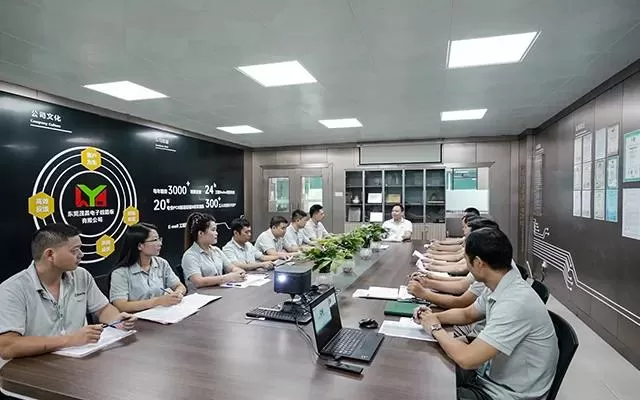
Leading high-quality PCB manufacturer offers production transparency, including real-time tracking, engineering review reports, and DFM guidance, ensuring prototypes meet reliability expectations even on accelerated timelines.
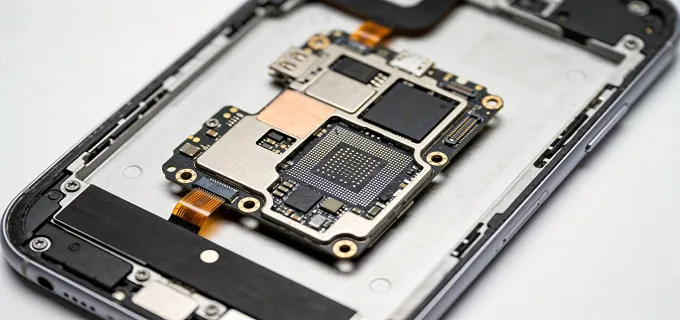
Mobile & Consumer Electronics — Phone boards, mobile charger circuit boards, and mobile PCB components benefit from rapid iterations, especially when integrating new fast-charging or wireless standards.
Medical Electronics — Fast turn PCB prototypes let medical device developers validate designs (e.g., sensor boards, portable diagnostics) under regulatory testing much sooner.
IoT & Wearables — Rigid-flex and ultra-thin HDI prototypes power quick testing for form-factor-sensitive devices.
Power & Industrial — Heavy copper PCBs and aluminum base PCBs for power conversion often need prototype validation under load — fast-turn options accelerate that validation.
1. What are your prototype SLAs? — Ask for concrete turnaround times for bare boards and assembled prototypes.
2. Do you offer fast PCB prototyping services with assembly? — Combining fabrication and quick assembly reduces handoffs.
3. What inspection and testing steps are included in expedited builds? — AOI, X-ray, electrical test?
4. Can you handle rigid-flex, HDI, and heavy copper in fast lanes? — These technologies require specific equipment and experience.
5. How quickly do you respond to RFQs? — Fast-turn manufacturers often promise RFQ turnbacks within hours.
6. What are your export and logistics capabilities? — Rapid delivery depends on courier relationships and export experience.
A strong fast-turn partner will provide design support, material traceability, and an integrated assembly option so your team can receive working prototypes for immediate testing.
WEIYUANDA Industrial Co., Ltd. (WEIYUANDA PCB) combines decades of PCB manufacturing experience with rapid prototyping services and full assembly capabilities. Highlights include:
Comprehensive product portfolio( PCB wholesale ): HDI, multilayer, aluminum, high-frequency, heavy copper, and flexible boards
Rapid prototyping: Short lead times for bare boards and assembled prototypes
End-to-end capability: From fast turn PCB fabrication and design review to inspection, testing, and export logistics
Engineering support: DFM feedback, traceable materials, and guidance for complex designs
Whether developing a mobile charger circuit board, a fast turn rigid flex PCB, or a medical electronics prototype, WYD PCB enables hardware teams to iterate quickly and confidently.
Fast PCB prototyping is vital for accelerating product development and gaining market advantage. Speed alone isn’t enough; teams need partners who provide:
HDI, rigid-flex, and heavy copper expertise
Integrated fast PCB prototyping services with assembly
Rigorous QA including AOI, X-ray, and functional testing
Clear engineering support and process transparency
Choosing the right fast turn PCB partner transforms PCB fast production from a logistical challenge into a competitive advantage, enabling faster validation, lower risk, and quicker time-to-market.