EN
EN
 it
it  fr
fr  de
de  ru
ru  pt
pt  es
es
Get in Touch with WeiYuanDa Now!


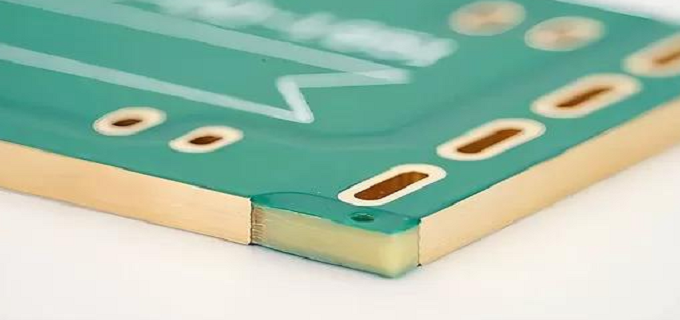
The demand for more powerful, reliable, and compact electronics has significantly increased the importance of heavy copper PCB solutions. Unlike standard printed circuit boards, which typically use copper thicknesses measured in microns, heavy copper boards integrate copper layers that are much thicker, often exceeding 3 ounces per square foot. This additional copper mass allows circuits to carry higher current, withstand extreme thermal stress, and deliver mechanical strength far beyond conventional PCBs. For industries such as renewable energy, automotive, power supplies, and defense, heavy copper technology has become a crucial enabler of performance and long-term reliability.

The advantages of using a heavy copper PCB lie not only in its ability to handle high current but also in its contribution to product durability and design flexibility. Thicker copper layers enhance heat dissipation, making them essential in applications where thermal management is critical. They also reduce the risk of circuit failure due to overheating or electrical fatigue, which is common in high-power systems. Additionally, heavy copper designs support smaller overall product sizes since higher current pathways can be integrated into compact layouts without compromising safety. This combination of power density, mechanical endurance, and miniaturization makes heavy copper technology a preferred choice for next-generation electronic systems where performance cannot be compromised.
Producing a heavy copper PCB requires specialized processes that go beyond traditional PCB manufacturing methods. To achieve thick copper layers, advanced plating and etching technologies are applied to ensure precise line definition despite the increased material volume. Step plating is often used to build copper thickness selectively, providing strength where it is needed without adding unnecessary weight to the entire board. The challenge lies in maintaining fine trace resolution and insulation while accommodating much thicker copper deposits. Manufacturers like WeiYuanDa, with decades of expertise and certifications such as ISO and UL, rely on a highly skilled engineering team to process Gerber files accurately and deliver consistent quality. The integration of automated quality inspection and thermal stress testing ensures that each heavy copper circuit can withstand demanding real-world conditions.

The use of heavy copper PCB is widespread across industries that require high current-carrying capacity, superior thermal control, and mechanical robustness. In the automotive sector, electric vehicles and hybrid systems rely heavily on these boards to handle the energy demands of battery management and drive controls. In renewable energy, solar inverters and wind power systems depend on heavy copper technology to manage fluctuating loads and high-power transmission. Industrial equipment, aerospace electronics, and power conversion systems also find great benefit from these boards, as they deliver reliability under extreme environments. By enabling advanced functions in compact yet durable designs, heavy copper boards have expanded the possibilities of innovation across multiple industries.

When evaluating suppliers, selecting a reliable partner for heavy copper PCB production is essential, as the manufacturing process requires both technical expertise and rigorous quality standards. WeiYuanDa, with over 20 years of PCB manufacturing experience, demonstrates excellence in producing heavy copper solutions tailored to complex requirements.