EN
EN
 it
it  fr
fr  de
de  ru
ru  pt
pt  es
es
Get in Touch with WeiYuanDa Now!


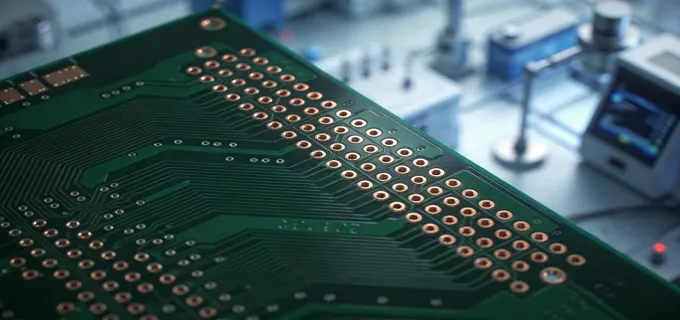
The world of electronics is vast and complex, with printed circuit board chemicals (PCBs) being one of the fundamental components in many electronic devices. PCBs not only provide the physical platform for mounting various electronic components but also create the necessary electrical interconnects between them. From simple gadgets to sophisticated systems, the modern electronic landscape relies on different types of PCBs to meet varying requirements. This article will shed light on the definition, history, key materials, design variations, and manufacturing processes of PCBs, enhancing your understanding of these crucial components. Whether you're exploring multi layer circuit board options or evaluating the printed circuit board chemicals cost, knowing the intricacies of their structure and applications can be incredibly insightful.
A printed circuit board chemical is a board used in electronics to electrically connect and mechanically support electronic components using conductive pathways, traces, or tracks etched from sheets of copper laminated onto a non-conductive substrate. The genesis of PCBs dates back to the early 20th century, revolutionizing how electronic circuits were constructed, moving from a point-to-point wiring system to more compact and reliable layouts.
Paul Eisler, an Austrian engineer, is credited with developing the first true PCB technology during World War II. His innovations set the stage for mass production and widespread adoption in consumer electronics, paving the way for advancements in multilayer PCB board and high-density interconnect (HDI) technologies.
The materials used in PCBs significantly influence their performance, durability, and cost. The selection of materials is highly dependent on the end-use application, ranging from basic consumer electronics to complex aerospace systems.
Component | Material | Properties |
Substrate | FR-4 (Fiberglass), Polyimide | Electrical insulation, thermal resistance |
Conductive Layer | Copper | Electrical conductivity, malleability |
Solder Mask | Epoxy resin | Protection against oxidation, insulation |
Silkscreen | Ink | Component labeling and identification |
Copper circuit board and copper PCB materials are predominantly used due to their excellent electrical conductivity and ease of fabrication. Using different types of substrates like aluminum PCB board or alu PCB also allows for customized thermal management solutions, which are crucial for power-intensive applications like LED light PCB board.
PCBs can either be single-layer or multilayer, the choice of which depends on the complexity of the circuit and the application requirement. Single-layer PCBs are simple, inexpensive, and suitable for low-density designs with large, discrete components.
In contrast, multilayer printed circuit board chemical designs involve embedding multiple layers of circuitry into a single board. This allows for increased circuit density, reduced size, and enhanced performance, making them ideal for high-end devices such as smartphones, computers, and communication hardware.
Design Type | Layers | Application Examples |
Single-layer | 1 | Household gadgets, LED PCB |
Multilayer | 2 or more | Smartphones, high-density interconnect PCB |
High-Density Interconnect | Multiple with Microvias | Advanced telecommunication, aerospace |
For projects requiring compact designs, HDI PCB technology is gaining traction, allowing more components on a smaller footprint without sacrificing performance.
The manufacturing of PCBs is a multi-step process, each requiring precision and quality control to ensure reliability. Starting with a copper-clad board, engineers use a combination of chemical, mechanical, and optical processes to etch and layer the conductive pathways. Following is a typical electronic circuit board components production flow:
Design and Layout: Circuit designs are transformed into a layout using specialized software.
Patterning/Etching: Conductive copper PCB patterns are created on a laminate board.
Drilling: Precise holes are drilled for electronic component leads and vias.
Plating: The drilled holes are plated to create electrical connections between layers.
Testing: Boards are tested for electrical functionality and inspected for physical integrity.
The integration of automation and computerized controls in modern manufacturing lines has significantly reduced printed circuit board chemicals costs while enhancing the quality of production.
PCBs have become ubiquitous in the modern world, powering devices and systems across various domains. From home appliances to industrial machines, the versatility of PCBs is underlined by their applications.
Application | Device Examples | PCB Type |
Consumer Electronics | Smartphones, TVs, Computers | Multilayer, HDI |
Automotive | Engine Controls, Multimedia Systems | Flexible, Rigid-flex |
Industrial Equipment | Controllers, Sensors | Heavy Copper, Alu PCB |
Lighting | LED lights, Displays | Aluminum circuit board, LED PCB board |
From controlling LEDs to complex processing in smartphones, the adaptability of electronic printed circuit board chemical designs ensures they meet the demands of increasingly sophisticated technology.
In understanding the workings of circuit board components, one gains insights into the cornerstone of modern electronics. This knowledge not only clarifies how diverse devices function but also illustrates the engineering advancements embedded within these invisible yet crucial components. Whether you are sourcing printed circuit board chemicals for sale or designing a new product, appreciating the wide-ranging capabilities and craftsmanship of PCBs can inform better decision-making and innovation.
For further reading on electronic circuit boards and to explore electronic circuit boards for sale, consider resources such as the IPC guidelines, industry journals, and manufacturers' white papers.
References: