 EN
 it
 fr
 de
 ru
 pt
 es

Get in Touch with WeiYuanDa Now!


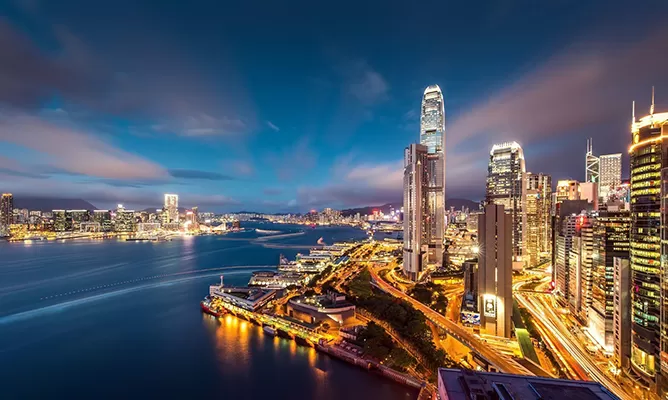
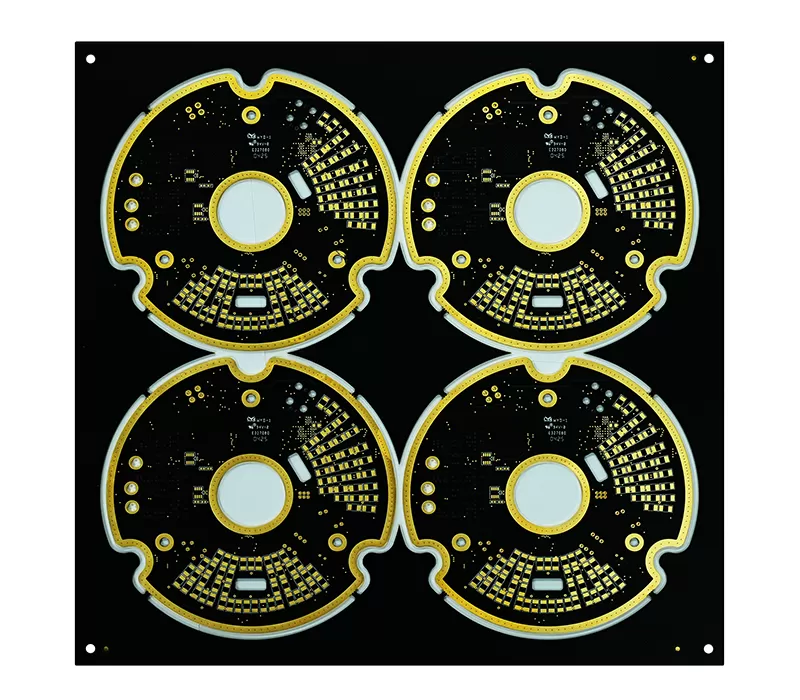
Modern lighting systems depend on a reliable LED PCB board to manage heat, maintain stable electrical performance and protect LEDs during long operating cycles. WeiYuanDa develops customized aluminum LED PCB solutions for indoor, outdoor, automotive and industrial lighting, helping transfer heat away from LED components to support consistent brightness and longer service life.

An aluminum LED PCB uses a metal base and thermally conductive dielectric layer to move heat away from LED components more efficiently than a conventional PCB structure. This controlled heat path helps reduce operating temperature, maintain consistent light output and support longer LED service life.
In a typical LED PCB board, heat moves from the LED package through the copper circuit layer and thermal dielectric layer before reaching the aluminum base. The heat is then transferred to the lamp housing or external heat sink, where it can be released into the surrounding environment.
LED Component → Copper Circuit Layer → Thermal Dielectric Layer → Aluminum Base → Heat Sink or Lamp Housing
The final thermal performance depends on more than the aluminum base alone. Copper thickness, dielectric thermal resistance, board thickness, LED power density, component layout and the connection between the PCB and heat sink must all be considered during engineering evaluation.
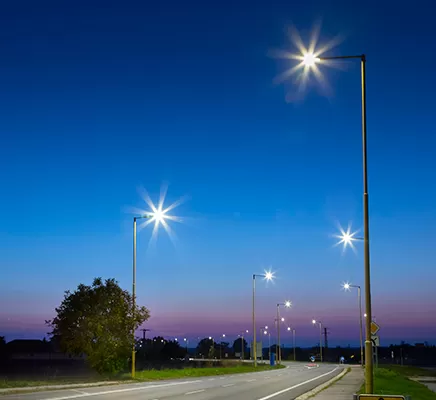
1. Thermal Management for Longer LED Life
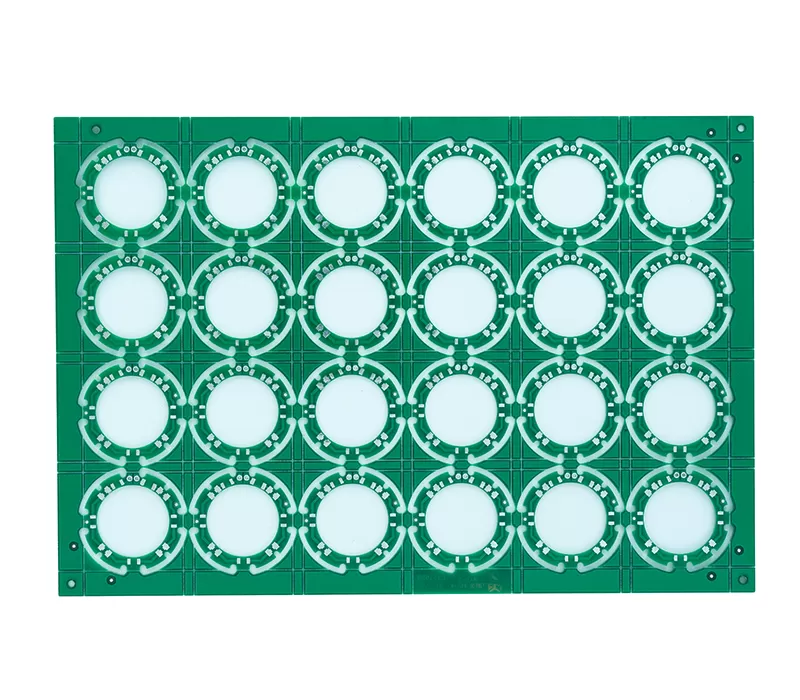
WeiYuanDa designs aluminum PCBs that transfer heat away from LEDs to maintain stable brightness and extend operating life. Our boards support 1–4 layers and copper weight up to 2 oz, making them suitable for streetlights, industrial luminaires and high-power LED flood light PCB applications.
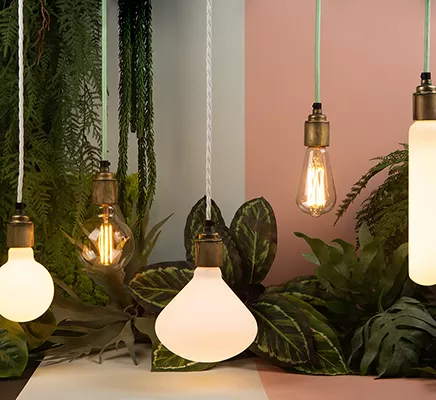
2. Efficient and Stable LED Driver Performance
A reliable LED driver PCB must support stable current delivery, effective heat dissipation and consistent operation over long service cycles. Through a controlled LED PCB manufacturing process, WeiYuanDa helps lighting manufacturers improve electrical reliability while meeting demanding energy-efficiency requirements.
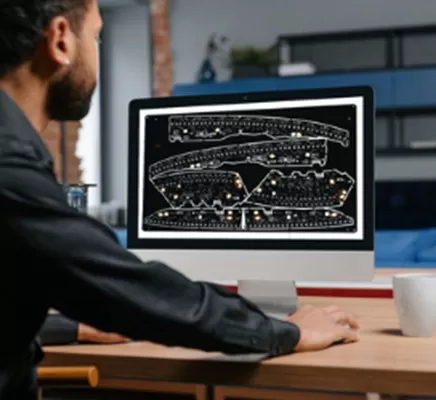
3. Custom PCB Designs for Diverse Lighting Systems
As an experienced LED PCB manufacturer, WeiYuanDa supports customized layouts, materials, copper weights and board structures for decorative, automotive and industrial lighting. Compared with general LED PCB board manufacturers, we provide engineering support for complex designs, including boards with aspect ratios up to 12:1.

Street and Road Lighting
Streetlights require stable thermal performance during long operating cycles and changing outdoor temperatures. Aluminum PCBs are commonly considered for transferring heat from high-power LEDs to the lamp housing.

Flood and Stadium Lighting
A high-power LED flood light PCB must manage concentrated heat while maintaining consistent electrical output. Copper distribution, dielectric performance and heat-sink contact should be evaluated together.

Automotive Lighting
Automotive headlights, signal lamps and interior lighting systems require compact PCB layouts, dimensional consistency and reliable performance under vibration and temperature changes.

Industrial High-Bay Lighting
Industrial luminaires often operate for extended periods in factories, warehouses and workshops. The PCB should support high light output, effective thermal transfer and stable long-term operation.

Commercial and Architectural Lighting
Commercial fixtures may require customized board shapes, uniform LED distribution and compact routing to meet both optical and structural design requirements.

Decorative and Smart Lighting
Smart and decorative lighting products may combine LEDs, control circuits and communication functions on limited board space. Customized layouts help accommodate different fixture shapes and control requirements.
WeiYuanDa supports customized driver board structures for indoor, outdoor, automotive and industrial lighting systems.
Trace width, copper thickness and power routing should be designed according to the required current so that LEDs receive stable electrical output under normal operating conditions.
Heat-producing components should be positioned to reduce local hot spots. Copper areas, thermal vias and board-to-housing heat transfer can be considered according to the driver structure.
Adequate electrical spacing should be maintained between high-voltage and low-voltage circuits according to the working voltage, insulation system and applicable product requirements.
Switching circuits require careful routing, grounding and component placement to reduce electromagnetic interference and maintain stable driver performance.
Pad dimensions, drilling, solder-mask openings and test-point access should be reviewed before production to reduce manufacturing risks and simplify electrical inspection.
Thermal conductivity requirements vary according to LED power, operating time, fixture structure and installation environment. A reliable LED light circuit board should be selected based on the complete thermal system rather than a single material value.
WeiYuanDa evaluates the PCB structure, dielectric layer, copper weight and heat-transfer path according to the lighting application. Actual thermal conductivity requirements should be confirmed using the selected material datasheet and the customer’s operating conditions.
| Lighting Application | Main Thermal Challenge | Recommended PCB Consideration |
| Indoor LED Lighting | Continuous heat in a compact fixture | Stable dielectric performance and an efficient connection between the PCB and lamp housing |
| Street and Road Lighting | Long operating hours and outdoor temperature changes | Reliable aluminum substrate, controlled heat path and durable surface protection |
| Flood and Stadium Lighting | High LED power density | Low thermal resistance, suitable copper thickness and effective heat-sink contact |
| Automotive Lighting | Compact space, vibration and temperature cycling | Reliable materials, controlled dimensions and appropriate testing |
| Industrial High-Bay Lighting | High output and extended operating cycles | Durable board construction and effective heat dissipation |
| Decorative and Smart Lighting | Limited installation space and customized shapes | Flexible layout planning, compact routing and suitable material selection |
For high-power projects, thermal performance should be evaluated together with LED junction temperature, ambient temperature, fixture ventilation and heat-sink design. Increasing the nominal thermal conductivity of the PCB material alone may not solve a poor thermal interface or an inefficient lamp structure.

What PCB material is commonly used for LED lighting?
Aluminum-based PCBs are commonly considered for high-power LED lighting because the metal base helps transfer heat away from LED components. FR-4 and other PCB materials may also be suitable for lower-power lighting or driver-control circuits. The final choice depends on power density, fixture structure, operating temperature and cost requirements.
Why is thermal management important for LED lifespan?
Excessive heat can increase LED junction temperature, reduce light output and accelerate performance degradation. A properly designed PCB heat path helps transfer heat from the LED package to the metal base, lamp housing or external heat sink, supporting more stable operation over time.
What is the difference between an LED PCB and an LED driver PCB?
An LED PCB normally carries the LED components and helps distribute electrical power and heat. An LED driver board controls and regulates the current supplied to the LEDs. Some lighting systems use separate boards, while compact products may integrate LEDs and driver circuitry into a combined structure.
What should buyers compare when evaluating LED PCB board manufacturers?
When comparing LED PCB board manufacturers, buyers should review material options, thermal design support, copper capabilities, dimensional control, testing procedures, prototyping support and response time. The manufacturer should also be able to review Gerber files and identify potential production risks before manufacturing begins.
Can WeiYuanDa produce customized LED flood light PCBs?
WeiYuanDa supports customized PCB layouts and structures for floodlights, streetlights, industrial lighting and other high-power LED systems. The board material, copper thickness, shape, mounting holes and thermal requirements can be evaluated according to the customer’s design files and fixture structure.
What information is required for an LED PCB quotation?
Customers should provide Gerber files, board dimensions, layer count, material requirements, copper thickness, surface finish, solder-mask requirements and order quantity. For thermal projects, LED power, operating environment, heat-sink structure and expected thermal performance are also useful for engineering review.


