EN
EN
 it
it  fr
fr  de
de  ru
ru  pt
pt  es
es
Get in Touch with WeiYuanDa Now!


Struggling with compact IoT designs? Multilayer PCBs solve space and performance issues fast.
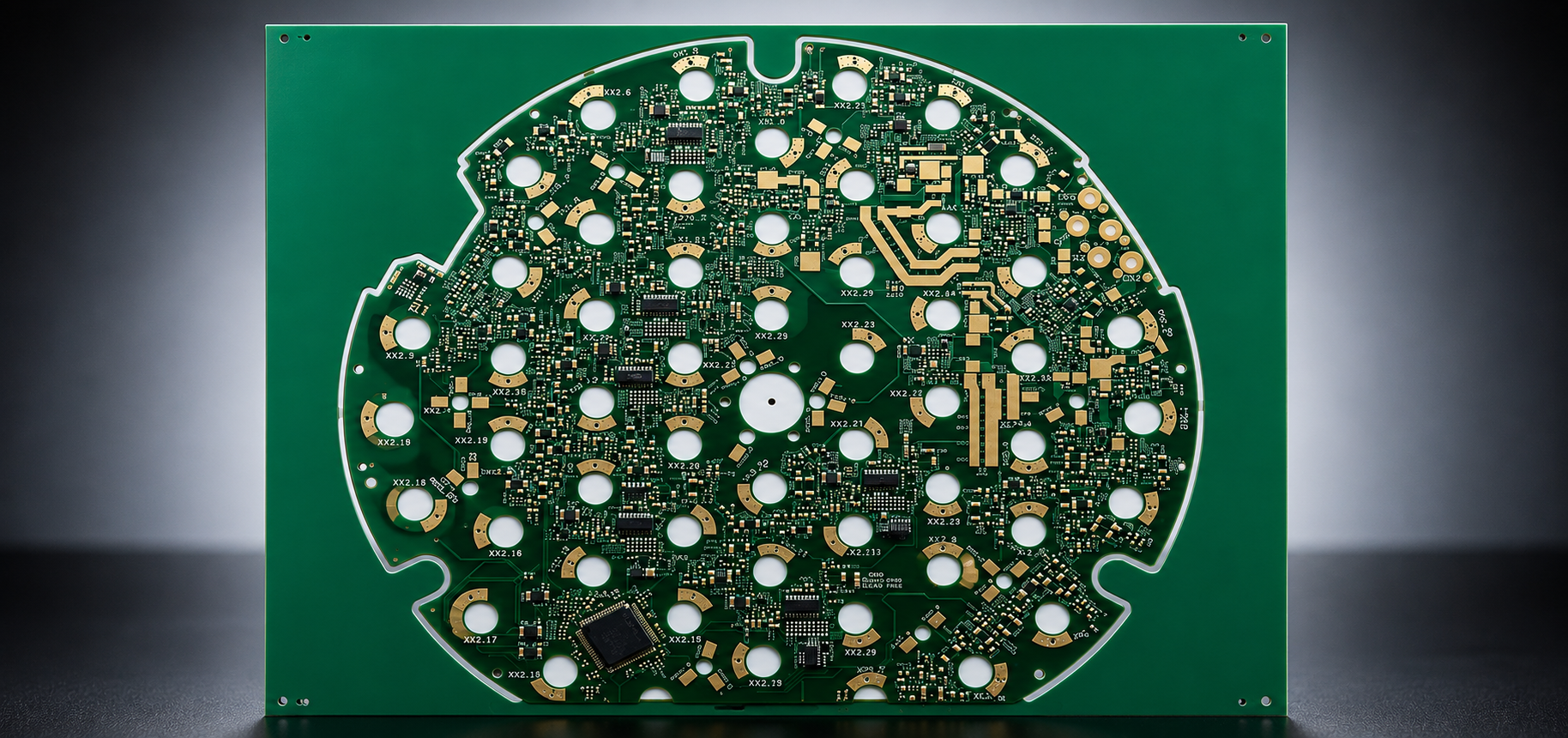
Multilayer PCBs stack circuits to save space and boost connectivity, enabling IoT devices like smart home gadgets, wearables, and automotive dashboards to perform reliably with high-density designs.
I've seen IoT transform homes and cars, but compact designs need reliable PCBs. Multilayer boards are key, and here's why they matter.
Smart home devices fail without compact, reliable circuits. Multilayer PCBs make them work.
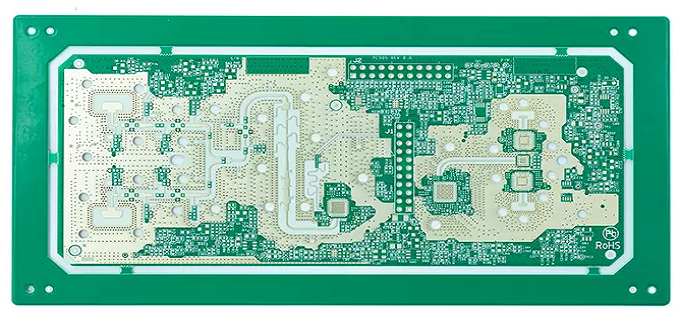
Multilayer PCBs enable smart home devices with dense, high-performance circuits, supporting voice assistants and thermostats with microvias as small as 0.1mm for seamless connectivity.
At WEIYUANDA, we craft multilayer PCBs for smart homes, stacking up to 24 layers to fit complex circuits into tiny spaces. I once worked with a startup in Shenzhen struggling to fit Wi-Fi and Bluetooth modules into a sleek voice assistant. Our HDI boards with 0.1mm microvias solved their issue, ensuring clear signals and compact designs. These boards handle high-speed data, critical for devices like connected thermostats.
| Feature | Benefit |
| 24-layer stacking | Fits more circuits in less space |
| 0.1mm microvias | Ensures reliable signal transmission |
| High-density design | Supports compact, sleek devices |
Smart home PCBs must balance size and performance. Our ISO 9001 certification ensures quality, while rapid prototyping (1-day turnaround) helps clients test designs fast. This approach keeps smart homes innovative and user-friendly.
Wearables need tiny, powerful circuits. Multilayer PCBs make them lightweight and efficient.
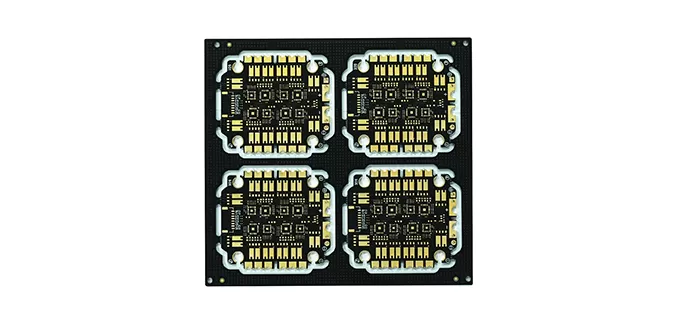
Multilayer PCBs for wearables use fine lines (2/2 mils) and FR-4 TG 170 materials to pack functionality into small, energy-efficient designs for fitness trackers and smartwatches.
Wearable tech, like fitness trackers, demands miniaturization without losing power. At WEIYUANDA, we use multilayer PCBs with fine lines to fit sensors and processors into tiny devices. I recall a U.S. client developing a smartwatch who faced battery life issues. Our boards, built with FR-4 TG 170 for durability, cut power use, extending battery life. These PCBs support laser drilling for precise connections, ensuring wearables stay light and functional.
| Component | Advantage |
| Fine lines (2/2 mils) | Maximizes space for components |
| FR-4 TG 170 | Enhances durability and efficiency |
| Laser drilling | Enables precise, compact connections |
Our 2-hour RFQ responses and 24/7 engineering support speed up wearable design cycles. With UL certification, we guarantee reliable boards for consumer safety, driving wearable tech forward.
Connected car dashboards fail without fast, reliable circuits. Multilayer PCBs keep them running.
Multilayer PCBs with 15:1 aspect ratios support automotive IoT dashboards, enabling high-speed data transfer for real-time displays with IATF 16949-certified reliability.
Automotive IoT, like connected dashboards, needs PCBs that handle high-speed data without glitches. WEIYUANDA's multilayer PCBs, with 15:1 aspect ratios, meet this demand. I worked with a Chengdu startup on autonomous driving displays that kept failing under heat. Our heavy copper boards, certified to IATF 16949, ensured stable performance. These boards use advanced materials like RO4003 for superior signal integrity, critical for real-time data in cars.
| Specification | Impact |
| 15:1 aspect ratio | Supports high-speed data transfer |
| Heavy copper | Ensures stability under high loads |
| RO4003 material | Improves signal integrity |