EN
EN
 it
it  fr
fr  de
de  ru
ru  pt
pt  es
es
Get in Touch with WeiYuanDa Now!


Printed circuit boards (PCBs) are the foundation of modern electronic devices, and double layer PCBs have emerged as a versatile solution for balancing performance, cost, and design flexibility. A double sided PCB, featuring conductive copper traces on both sides, enables engineers to route more complex circuits within compact spaces, making it ideal for medical electronics, consumer devices, automotive systems, and industrial IoT applications.
Compared to single-sided boards, double layer printed circuit boards allow for higher circuit density, improved signal integrity, and enhanced thermal management. They serve as a stepping stone for more complex multilayer designs while offering cost-effectiveness and scalability. This article explores the fundamentals of double layer PCB manufacturing, design and assembly processes, applications across industries, future trends, and why partnering with a reliable manufacturer is essential for success.
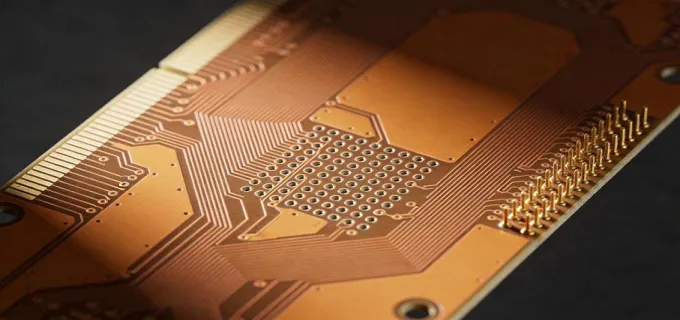
A double layer PCB (also called a double sided circuit board or double sided PCB) is a printed circuit board with conductive layers on both the top and bottom surfaces. Signals between layers are connected through plated through-holes (PTH), allowing for compact and efficient circuit layouts.
Double Sided Copper Clad – Both sides provide pathways for power distribution and signal routing.
Compact Form Factor – Enables higher component density without increasing board size.
Enhanced Electrical Performance – Reduced crosstalk, optimized grounding, and better EMI control compared to single-layer boards.
Design Flexibility – Supports higher pin-count ICs, mixed-signal circuits, RF modules, and power electronics.
Double Sided – PCB prototypes often strike the perfect balance between functionality, manufacturability, and cost, making them suitable for early-stage product development as well as mass production.
Producing a reliable double-layer PCB involves several precise steps, each critical to achieving performance and durability.
1. Material Preparation
The process begins with a double sided copper clad board. Common substrates include FR-4 for general electronics, polyimide for flexible applications, and aluminum-backed materials for high-power devices. Aluminum-base PCBs are widely used in LED lighting, automotive systems, and power supplies due to excellent heat dissipation.
2. Imaging and Etching
Both sides of the PCB laminate are coated with photoresist and patterned using UV exposure. Unprotected copper is etched away, forming precise conductive traces.
3. Drilling and PTH Plating
Microvias and through-holes connect the top and bottom layers. These vias are plated with copper, creating stable electrical connections, known as double sided PTH PCB.
4. Lamination and Solder Mask Application
Layers are laminated together, coated with a solder mask to prevent short circuits, and protected with surface finishes for durability and solderability.
5. Surface Finish and Printing
Finishes like ENIG, HASL, or OSP improve solderability. Silkscreen printing labels components, test points, and identifiers.
6. Assembly and Reflow
Components are mounted on both sides using double sided SMT assembly or through-hole soldering. Reflow soldering ensures secure connections while maintaining precise alignment for miniaturized designs.
7. Testing and Quality Assurance
Comprehensive testing validates electrical performance, thermal stability, and mechanical reliability. Functional testing, X-ray inspection, and vibration or thermal cycling simulations are common practices to ensure long-term durability.
Higher Circuit Density – Ideal for compact designs such as medical monitors, smartphones, and wearable electronics.
Enhanced Reliability – PTH connections and copper traces provide long-term stability.
Cost-Effective – Supports more complex designs than single-layer boards without the higher cost of multilayer PCBs.
Versatility – Suitable for analog, digital, RF, and mixed-signal applications.
Scalability – From prototype double sided PCB boards to mass production runs.
Double Sided Copper Clad PCB Board – Standard choice for general electronics, mobile devices, and industrial controllers.
Double Sided Aluminum PCB – Offers superior heat dissipation, ideal for high-power LEDs, automotive electronics, and power supplies.
Double Sided Flex PCB – Bendable boards for wearable devices, foldable phones, and medical implants.
Double Sided Prototype PCB – Rapid turn-around boards for design verification and early-stage testing.
Double layer PCBs are critical in diagnostic imaging systems, portable monitors, and implantable devices. Custom PCB assembly ensures reliability and compliance with strict medical standards. Aluminum-backed boards help dissipate heat from high-power medical sensors, while flex PCBs fit in compact or irregular enclosures.
Smartphones, wearables, wireless earbuds, and tablets rely on double-sided PCBs to maintain high circuit density without increasing size. Flex PCBs allow ergonomic device designs, while fast-turn prototypes accelerate time-to-market.
Double sided heavy copper PCBs are used in ECU units, automotive lighting, and cockpit systems. High durability, thermal management, and precise double sided reflow soldering make them suitable for harsh conditions, vibration resistance, and safety-critical applications.

Double layer PCB manufacturing supports smart factory controllers, IoT gateways, robotics, and industrial sensors. Balanced cost and performance make them ideal for scalable production, integrating multiple functions into a single board.

Miniaturized Double Sided SMT Assembly – Adapting to IoT, 5G, and wearable device requirements.
Eco-Friendly Materials – Adoption of halogen-free laminates and sustainable substrates.
AI-Enhanced PCB Design – Optimizing via placement, thermal paths, and signal integrity.
Advanced Rapid Prototyping – Shorter development cycles for double sided PCB prototypes accelerate innovation.
Hybrid Aluminum and Flex Solutions – Combining thermal performance with design flexibility for high-performance devices.
For companies designing medical, consumer, automotive, aerospace, or industrial electronics, selecting a high-tech PCB manufacturer is as important as the board design itself. WEIYUANDA PCB provides comprehensive double layer PCB solutions:
1. Comprehensive Product Line – From single-layer to double layer, multilayer, rigid-flex, aluminum-backed, and flex PCBs.
2. Custom PCB Services – End-to-end support including design, fabrication, double sided PCB assembly, printing, and prototyping.
3. Fast Turn Expertise – Rapid prototypes and accelerated double sided PCB production for quick product launches.
4. Advanced Facilities – Automated SMT lines, precision drilling, double sided reflow soldering, and in-house testing labs.
5. Industry Experience – Serving medical devices, automotive, aerospace, consumer electronics, and industrial IoT sectors.
6. Quality & Compliance – International certifications, strict inspection procedures, and adherence to safety and performance standards.
Whether for a double sided PCB prototype or full-scale double layer PCB manufacturing, WEIYUANDA ensures reliability, scalability, and cost-effective solutions.
Double layer and double sided PCBs form the backbone of modern electronics, providing a balance between performance, size, and cost. From wearable medical devices to automotive control units, these boards enable higher circuit density, improved thermal management, and compact designs. Advancements in double sided reflow soldering, SMT assembly, and rapid prototyping are further accelerating innovation cycles.
Success in electronics requires both technology and a capable partner. WEIYUANDA PCB delivers precision engineering, fast turnaround, and flexible solutions for double sided PCB fabrication and assembly. With decades of experience, global reach, and commitment to quality, WEIYUANDA PCB is more than a manufacturer—it is a strategic partner driving innovation across industries.