EN
EN
 it
it  fr
fr  de
de  ru
ru  pt
pt  es
es
Get in Touch with WeiYuanDa Now!


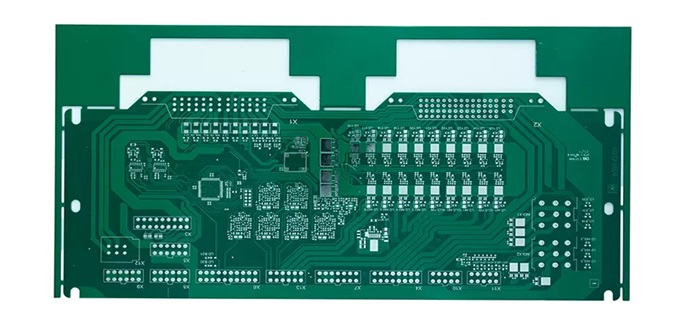
Printed circuit boards form the nervous system of every electronic device, yet many engineers face preventable failures by choosing unsuitable board technologies. WEIYUANDA's catalogue features six fundamental PCB types that address different performance requirements, each involving nuanced electrical, thermal and mechanical details to attend to.
Understanding these core PCB types represents the essential first step toward making informed specification decisions. The real value emerges when examining how these technologies solve specific design challenges across industries.
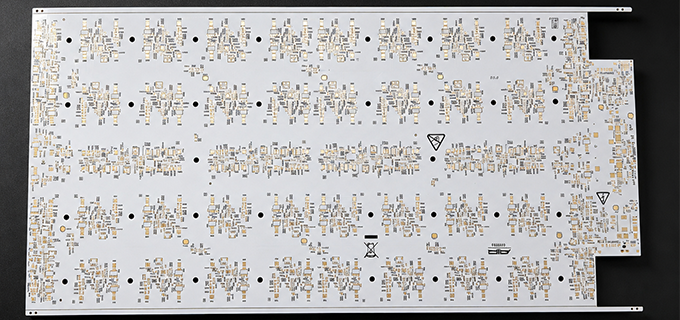
The electronics industry has developed specialized PCB types to meet evolving technical demands. Much as standard FR-4 boards serve basic applications well, modern electronics call for more sophisticated solutions. High-Density Interconnect (HDI) PCBs employ microvias and fine line spacing to accommodate complex circuitry in compact spaces. Aluminum PCBs provide exceptional thermal management for power electronics. When signal integrity above 1GHz becomes critical, high frequency PCBs with low-loss dielectric materials prevent unwanted signal degradation. Engineers working with high-current applications turn to heavy copper PCBs that can handle substantial power loads without overheating. For most complex electronics, multilayer PCBs with 4-32 conductive layers provide the necessary routing space, while simple devices often use cost-effective single layer boards.
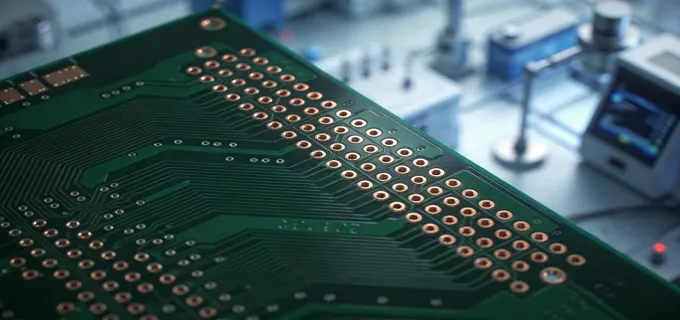
Specifically, the medical device and telecommunications industries can shed some light on how different PCB technologies solve unique engineering challenges. HDI PCBs have become indispensable in portable electronics due to their ability to accommodate thousands of interconnections in minimal space through microvia technology and high layer counts. Aluminum PCBs demonstrate their value in lighting systems and power converters, where their superior thermal conductivity prevents component failure from heat buildup. High frequency PCBs enable modern wireless communication systems by maintaining signal integrity at microwave frequencies, using specialized materials with tightly controlled dielectric constants. Heavy copper PCBs support industrial applications ranging from power converters to automotive systems through their ability to conduct substantial currents without performance degradation. Each technology addresses specific electrical, thermal or physical constraints that standard PCBs cannot meet.
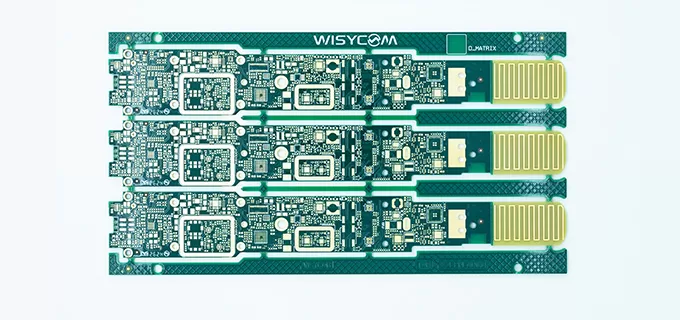
Think about an industrial automation controller that features numerous high-speed interfaces and operation in harsh environments. The engineering team's having a headache: they thought standard multilayer PCBs would do, but found themselves stranded by signal integrity and thermal management issues during prototyping. Switching to WEIYUANDA's Advanced HDI PCB with 32 layers and Rogers 4350B material saved the day. The tightly controlled dielectric properties maintained stable electrical characteristics across the target temperature range, while the 2oz copper layers ensured robust power delivery. Laser-drilled microvias enabled efficient routing of the dense interconnects, and the enlarged 400x500mm panel size accommodated all necessary components without compromising manufacturability. In a nutshell, this solution not only untied the technical knots but shortened development span by eliminating multiple prototype iterations that would have been necessary with less capable board technologies.
At WEIYUANDA, you'll receive prof insights founded upon two decades of experience in electrical performance, thermal requirements, mechanical constraints and production scalability that leads to successful implementations.
IPC-6012E (2020) Performance Specification for Rigid PCBs
Johnson, H. (2021) High-Speed Digital Design, Prentice Hall
WeiYuanda Tech Report (2023) HDI Board Reliability Data
IPC-2141A (2004) Design Guide for High-Speed Controlled Impedance Boards
Rogers Corporation (2022) High Frequency Material Selection Handbook