EN
EN
 it
it  fr
fr  de
de  ru
ru  pt
pt  es
es
Get in Touch with WeiYuanDa Now!


In the realm of modern electronics, LED PCB boards have become integral components, revolutionizing lighting technology and opening a plethora of possibilities across industries. These boards are paramount in LED applications, ensuring functionality, efficiency, and thermal management to extend the lifespan and performance of LED lights. This article unravels the unique features that distinguish LED PCBs, including their design, materials, and the underlying technology. Additionally, we'll delve into maintenance tips and troubleshooting strategies, all while keeping an eye on advancements and industry trends for LED printed circuit boards. Whether you're exploring options for printed circuit boards for sale or aiming to customize a solution, this comprehensive guide will enhance your understanding and appreciation of LED PCBs.
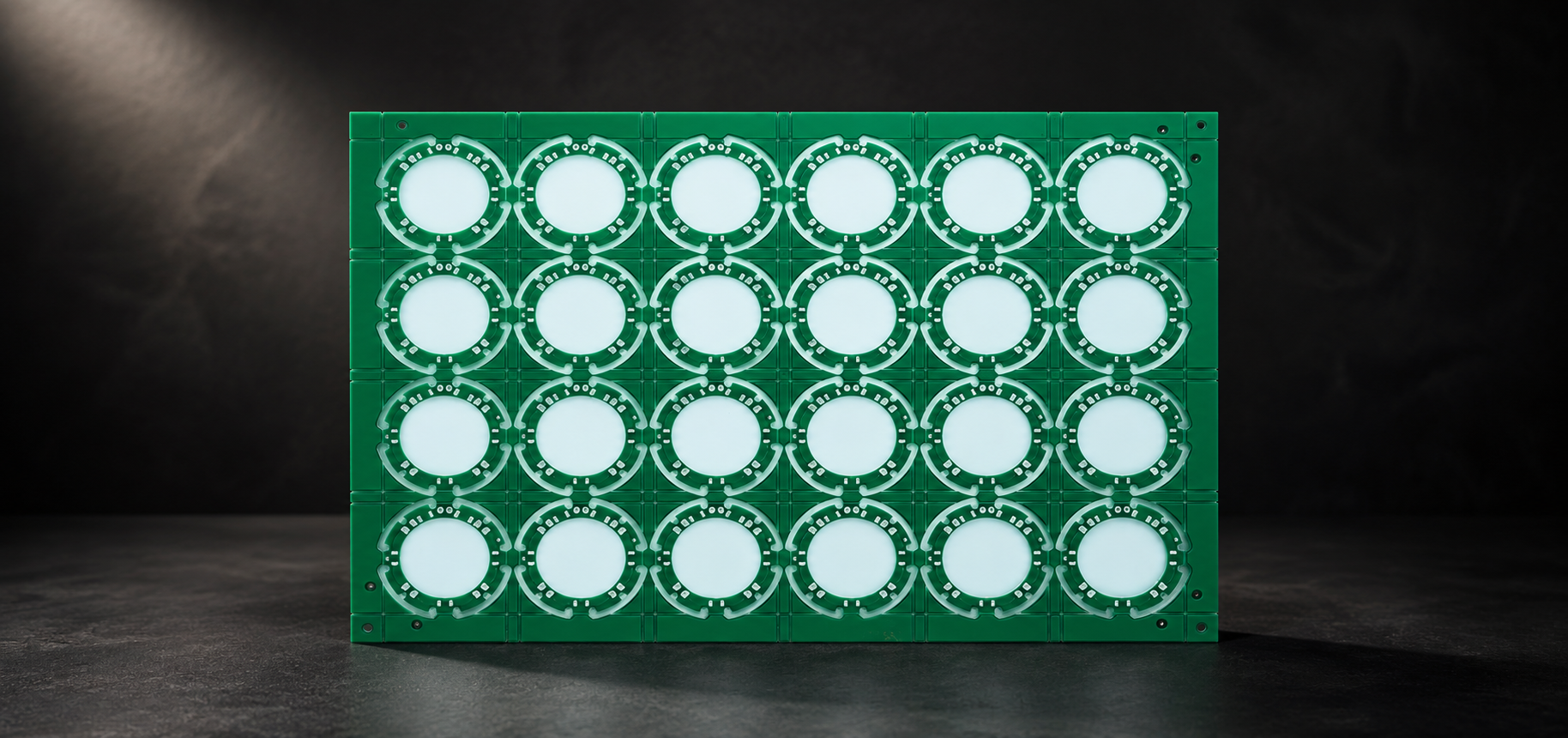
LED PCBs are specialized printed circuit boards designed to support light-emitting diodes (LEDs), offering advantages in thermal management and compact design. Traditional PCBs can incorporate high density interconnect (HDI) techniques, but LED boards emphasize thermal regulation due to the heat generated by the LEDs themselves. An LED light PCB board utilizes various substrates and materials to divert heat efficiently, reducing the risk of thermal damage and promoting longevity.
Feature | Details |
Substrate Material | Primarily Aluminum for heat dissipation |
Applications | Lighting installations, signage, automotive industries |
Thermal Management | Essential for prolonged LED lifespan |
Circuit Complexity | Varies from simple to high density interconnect HDI PCB |
While standard PCBs can be multicard layered, leading to multilayer PCB board configurations, an LED PCB typically balances between copper prototype board traces for current conduction and aluminum pcb board layers for heat sinking purposes. These configurations are pivotal for robust applications where reliability is key, such as in industrial or high-ambient temperature environments.
Heat dissipation is a critical consideration in LED PCBs, with materials playing a significant role in performance and safety. Aluminium backed PCB substrates, commonly referred to as alu pcb, are prevalent due to their excellent thermal conductive properties. This conductance helps channel the heat away from the LEDs, ensuring optimal operations.
Material | Characteristic |
Aluminum | Superior thermal conductivity, lightweight |
Copper | Efficient current distribution, necessary for heavy copper pcb applications |
FR-4 | Common substrate, less thermal efficient but cost-effective |
While aluminum boards dominate, designing for advanced multilayer printed circuit board configurations can include thicker copper layers (commonly referred to as pcb copper thickness), which increases the board's ability to handle higher currents without overheating. This is particularly critical in high-power LED applications such as floodlights.
Designing an LED PCB involves careful planning of board layout, component placement, and thermal analysis. Factors such as the type of circuit board components used, the routing of electrical paths, and the number of copper clad board layers play a substantial role in the overall performance.
Strategic placement of circuit board capacitors can enhance power stability, while effective routing of traces minimizes potential signal interference. By utilizing high density interconnect techniques in places where space is limited (e.g., compact lighting fixtures), designs can be optimized for efficiency and minimal real estate.
Moreover, considering the printed circuit board cost is crucial for balancing functionality with budget-friendly solutions. While simple single-layer boards may suffice for basic lighting, complex multi-layer circuit boards may be required for intricate applications, influencing overall expenses and design choices.
The power requirements of an LED PCB impact its design, including necessary adjustments for efficiency and safety. LED systems typically require specific drivers to regulate the current and ensure consistent light output. These drivers are crucial in preventing overvoltage and ensuring the LEDs operate within optimal parameters.
Driver Type | Suitable Application |
Constant Current | Maintains a stable current, ideal for lighting arrays |
Constant Voltage | Supports systems with stable power supplies, suitable for uniform intensity applications |
Selecting an appropriate driver involves considering the LED printed circuit board configuration and intended usage. Multi-chip arrays may need custom settings to balance efficacy and thermal performance, making custom hydraulic cylinders akin to tailored solutions for unique systems.
Ensuring longevity and operational efficacy of LED PCBs involves regular maintenance checks and troubleshooting processes. Common issues such as flickering or dimming often arise from poor thermal management or power irregularities. Examining solder joints, ensuring secure circuit board capacitor connections, and checking for thermal paste degradation can address many of these issues.
Regular inspections focus on verifying the led light circuit board for signs of overheating, while comprehensive testing of electrical connections confirms reliability. Implementing these practices extends the lifespan of LED systems, ultimately reducing costs and maintenance demands over time.
The role of LED PCB boards is crucial in advancing lighting technologies across various industries. Understanding their design intricacies, material considerations, and power requirements helps in selecting or developing the right solutions for specific needs. As the demand for sustainable and efficient lighting grows, LED PCB technology continues to evolve, offering more sophisticated and cost-effective outcomes. Whether your interest lies in the technology behind the lights or the circuit boards for sale, knowledge about these components is invaluable in today's innovation-driven marketplace.