EN
EN
 it
it  fr
fr  de
de  ru
ru  pt
pt  es
es
Get in Touch with WeiYuanDa Now!


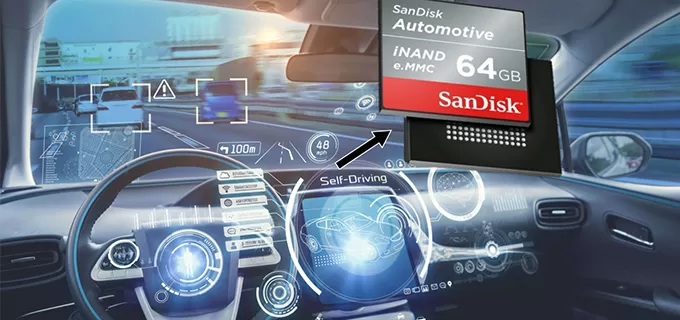
Today's vehicles transform into complex electronic hubs where multilayer PCBs serve as the central nervous system. These advanced circuit boards enable critical functions from engine management to autonomous driving capabilities, handling more data than early supercomputers while enduring extreme automotive conditions.
The transition to electric and autonomous vehicles places unprecedented demands on automotive electronics. Traditional single-layer boards prove inadequate for processing the gigabytes of sensor data generated each minute in modern cars. Multilayer PCBs address these challenges through their unique architecture, which integrates power distribution, signal routing, and thermal management into unified platforms.
Our automotive-grade multilayer solutions support the extreme reliability requirements of safety-critical systems. From ADAS radar modules processing 20 million distance calculations per second to infotainment systems streaming 4K content, these boards maintain signal integrity even in the electromagnetic interference-heavy environment of a vehicle's electrical system. The multilayer construction provides inherent shielding that prevents crosstalk between sensitive components like lidar sensors and 5G communication modules.
A leading European automotive supplier faced mounting challenges developing their next-generation digital cockpit system. The ambitious project required integrating multiple high-resolution displays, advanced driver monitoring cameras, and premium audio processing into a dashboard module with strict space constraints. Conventional PCB solutions couldn't accommodate the necessary component density while meeting automotive vibration and thermal standards.
We recommended our 40-layer advanced high-density interconnect HDI PCB solution featuring several critical performance advantages
Core Requirements:
Simultaneous processing for four 4K displays
Low-latency communication with vehicle CAN bus
Operation across -40°C to 125°C temperature range
Protection against automotive electromagnetic interference
10-year product lifecycle reliability
Technical Implementation: The car PCB board leveraged our TG180 material for exceptional thermal stability, with 8-10oz copper layers ensuring stable power delivery to multiple processors. The 15:1 aspect ratio microvias enabled dense component placement beneath display connectors, while backdrilling eliminated signal reflections in high-speed memory interfaces. Selective gold plating on critical connectors guaranteed reliable contact through thousands of mating cycles.
Measured Benefits Development teams reported significant improvements over their previous solution:
28% reduction in dashboard module thickness
36 °C lower peak operating temperatures
Elimination of display signal artifacts
15% improvement in system boot time
Full compliance with automotive shock/vibration standards
The successful implementation established a new benchmark for integrated digital cockpit systems, demonstrating how advanced PCB technology enables both performance breakthroughs and manufacturing efficiencies.
Modern vehicles require circuit boards that surpass commercial-grade reliability metrics. As a professional high-tech PCB manufacturer, our manufacturing processes incorporate stringent automotive qualifications including
IATF 16949 certified production facilities
AEC-Q100 compliant materials selection
168-hour thermal cycling validation
Vibration testing exceeding ISO 16750-3 standards
100% electrical testing with flying probe verification
These protocols ensure consistent performance across the vehicle's operational lifespan, from scorching desert highways to frigid mountain roads. The implementation of automated optical inspection (AOI) and X-ray verification guarantees defect-free delivery of even the most complex multilayer assemblies.
SAE International J3168 (2023) PCB Reliability Standards for Automotive Applications
IPC-6012DA (2024) Qualification for Automotive PCBs
IEEE Transactions on Vehicular Technology Q1 2024
AEC-Q100 Rev-H Stress Test Qualification Requirements
McKinsey & Company Auto 2030: Electronics Architecture Evolution Report