EN
EN
 it
it
Get in Touch with WeiYuanDa Now!
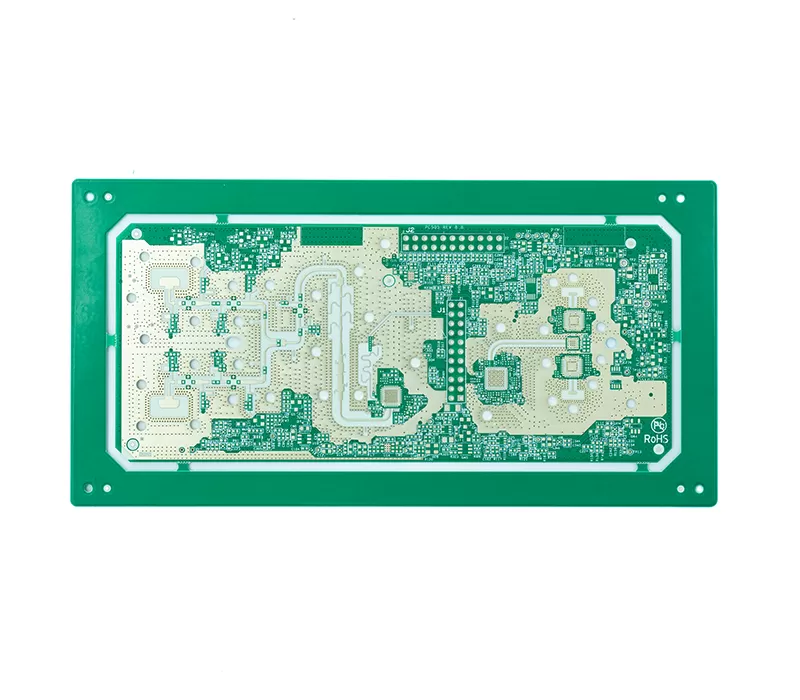
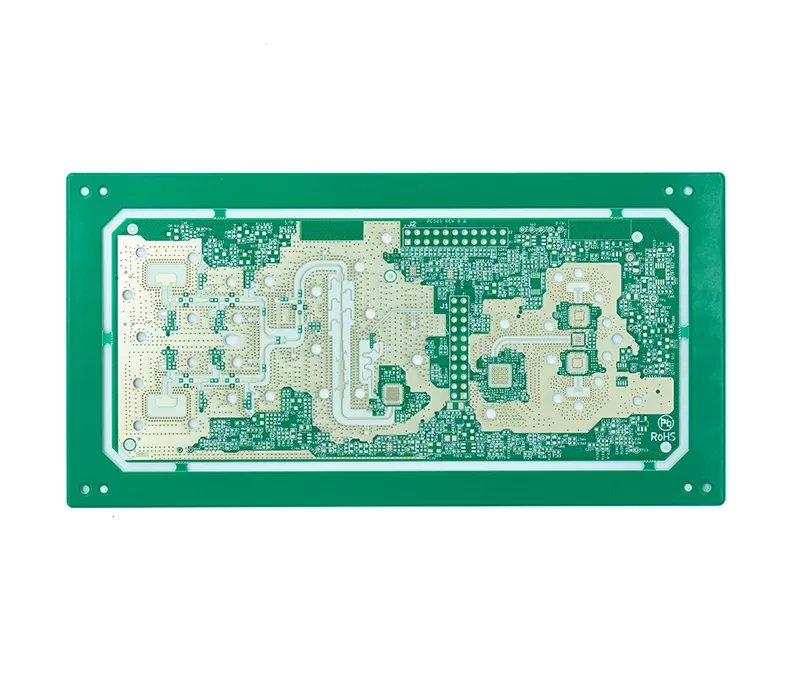


High-frequency PCBs, typically operating from 500MHz up to 10GHz, are the foundation of next-generation technologies such as 5G communication, IoT devices, radar systems, and autonomous vehicles. Unlike standard boards, these high frequency printed circuit boards demand advanced materials with low dielectric constant (Dk) and low loss factor (Df) — such as Rogers RO4350B and PTFE composites — to ensure signal integrity and minimal transmission loss.
As a specialized high-frequency PCB company, WeiYuanDa stands out with in-house engineering, large-scale material stock, and strict RF testing capabilities. Whether you need high-quality PCB prototypes or mass production from a trusted high frequency PCB factory in China, we deliver precision manufacturing with fast lead times and competitive pricing.
| Parameter | Standard | Advanced HDI |
| Layer Count | 8 Layers (FR-4+Rogers) | 12 Layers (Rogers) |
| Max PCB Delivery Size | 300mm*450mm | 400mm*500mm |
| Tg | 280 | |
| Board Thickness | 1.6mm | 2.4mm |
| Outer Based Cu | 1OZ | 2OZ |
| Inner Based Cu | 1OZ | 2OZ |
| Aspect Ratio | 12:01 | 15:01 |
| Surface Treatment | HASL-LF, EING, ENPIG, OSP, GOLD FINGER,IMMERSION TIN,IMMERSION SILVER | |
| Drill Hole Size | 0.2mm | 0.15 |
| Min Line/Spacing Outer | 3 mils | 2 mils |
| Min Line/Spacing Inner | 3 mils | 2 mils |
| Min Solder Mask Bridge | 5 mils | 3 mils |
| Half Holes | 20 mils | 8 mils |
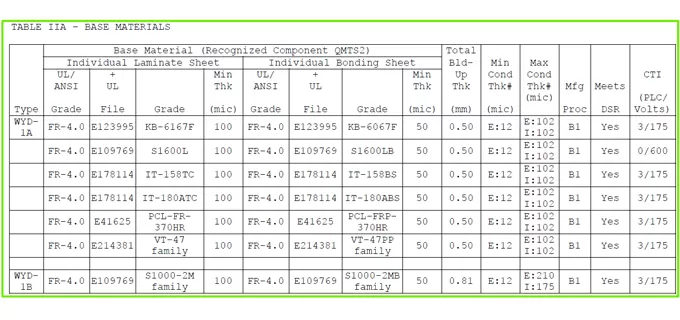
Choosing the right dielectric materials is critical in high-frequency PCB design, as they directly influence signal integrity, impedance control, and thermal reliability. Leading high-frequency PCB manufacturers select materials with a low loss tangent (Df), stable dielectric constant (Dk), and controlled thermal expansion to minimize signal degradation across RF, microwave, and millimeter-wave circuits.
At WeiYuanDa PCB, we work with a wide range of RF-certified laminates to ensure consistent performance from high-quality PCB prototypes to mass production. Below are four commonly used material families for high-frequency circuit boards.
Rogers Laminates
Rogers laminates such as RO4350B, RO3003, and RO3010 are industry benchmarks for advanced RF and microwave designs. They feature stable Dk values (3.0 to 10.2) with extremely low Df (down to 0.0013), enabling excellent signal integrity across broadband frequencies up to 77 GHz. These laminates are widely applied in antenna feed networks, phased array systems, 5G infrastructure, and power amplifiers — making them a preferred choice for high-frequency PCB manufacturers targeting performance-critical applications.
Taconic TLX and RF-35
Taconic materials, including TLX and RF-35, are known for their superior thermal stability and minimal moisture absorption. TLX laminates provide low insertion loss and excellent dimensional stability, ideal for multi-GHz RF switches, power amplifiers, and high-speed transmission lines. Meanwhile, RF-35 offers a cost-effective solution with reliable dielectric performance, compatible with standard PCB manufacturing processes. These characteristics make Taconic laminates versatile for both high-frequency circuit board prototyping and full-scale production.
Arlon 85N
Arlon 85N is engineered for demanding environments that require both electrical precision and mechanical strength. With a high glass transition temperature (Tg) of 250°C, thermal conductivity of 0.20 W/m·K, and robust peel strength, it ensures reliability in harsh conditions. This material is particularly suited for high-power radar transmitters, aerospace RF modules, and defense-grade systems. For high-frequency PCBs operating in extreme environments, Arlon 85N offers unmatched durability and performance.
Isola IS620 E-Fiberglass
For applications requiring a balance between cost and performance, Isola IS620 E-glass reinforced materials are an excellent option. They provide stable electrical properties up to 10 GHz, offering a practical mid-range alternative between standard FR4 and high-end PTFE systems. Ideal for consumer and telecom products operating under 5 GHz, Isola laminates allow high-frequency PCB factories to deliver cost-efficient yet reliable boards without compromising essential RF performance.
High-frequency PCBs are circuit boards specifically designed for signals typically operating above 500MHz (commonly ranging from 1GHz to 10GHz). Their core lies in specialized materials and precise design:
They use substrates with low dielectric constants (Dk 2.0-3.6) and low loss factors (Df 0.001-0.003), such as Rogers RO4350B or PTFE, ensuring fast and stable signal transmission.
Surface treatments often involve ENIG (Electroless Nickel Immersion Gold) or immersion silver, with line widths and spacings accurate to the micrometer level, minimizing signal interference.
Thermal conductivity ranges from 0.3-0.8 W/m·K, balancing heat dissipation and performance.
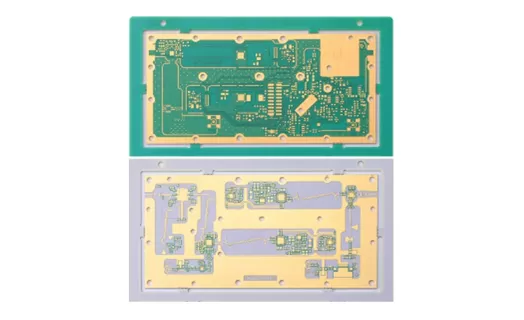
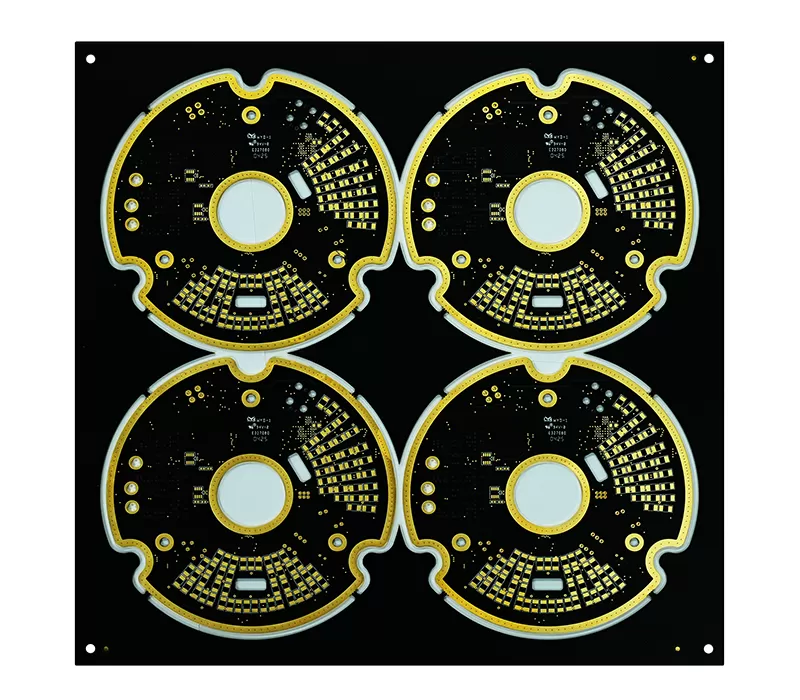
ROGERS
Number of Layers: 4 Layers
Finishing: ENIG 2U”
Copper Thickness: 1OZ
L/S: 4/4mil
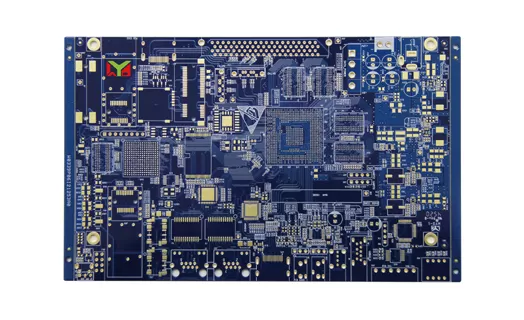
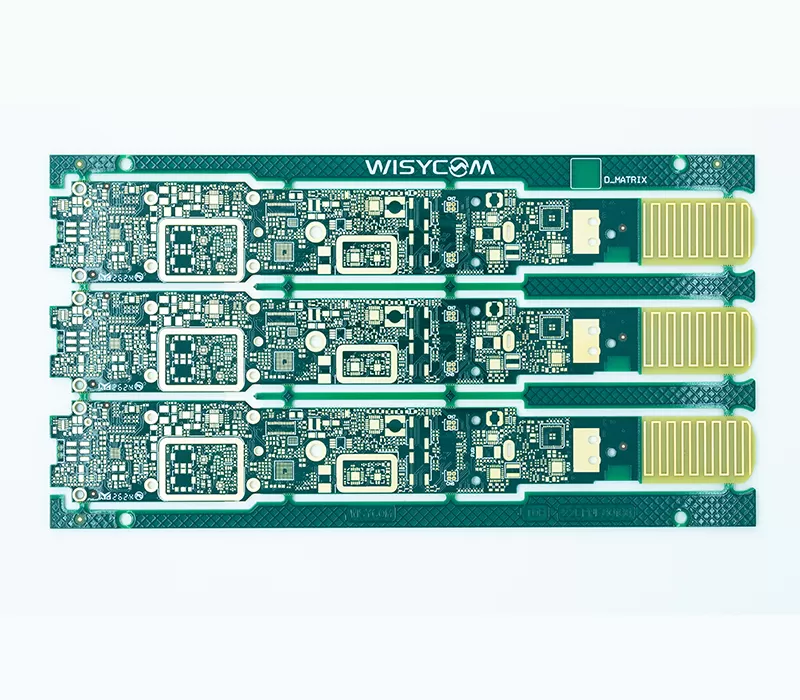
SY 1170
Number of Layers: 10 Layers
Finishing: ENIG 2U”
Copper Thickness: 2/1/1/1/1/2 OZ
L/S: 4/4mil
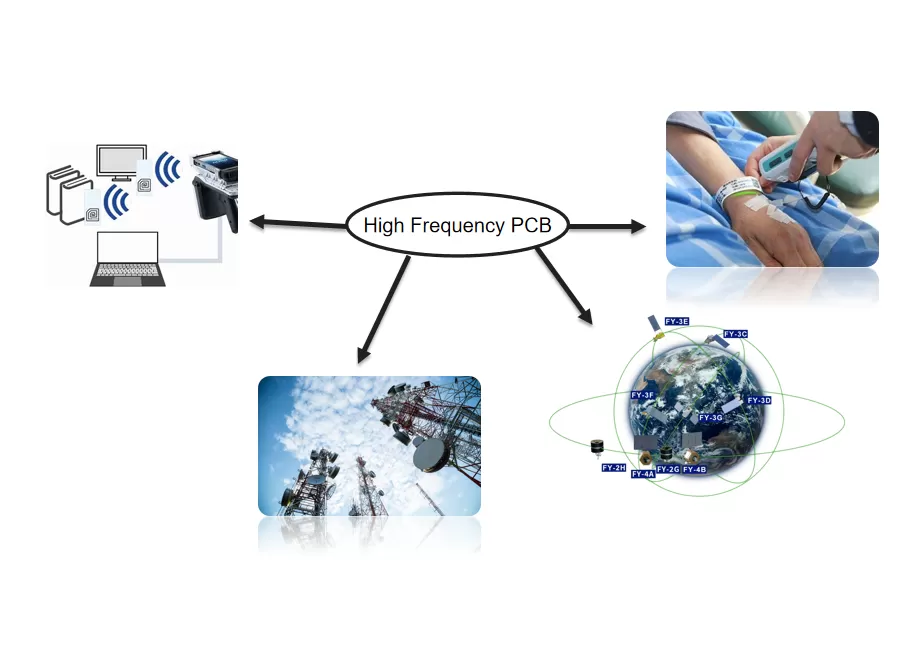
Telecommunications: 5G base stations, communication towers, and routers rely on their high-speed signal transmission.
Automotive Electronics: Radar systems (e.g., millimeter-wave radar) and autonomous driving sensors require high-frequency support.
Aerospace: Satellite communications and navigation systems leverage their high reliability and low loss.
Medical Equipment: High-frequency signal processing in MRI and ultrasound devices.
Industrial Applications: High-frequency circuits in radio frequency identification (RFID) and microwave equipment.
High-frequency PCBs excel in the following fields due to their outstanding signal performance:
High-frequency PCBs offer significant advantages over traditional PCBs:
High-Speed Signal Transmission: Supports high-frequency signals, reducing latency and distortion.
Low Signal Loss: Maintains signal strength, suitable for long-distance transmission.
EMI Resistance: Optimized design reduces electromagnetic interference, enhancing system stability.
High Reliability: Resistant to high temperatures and environmental changes, meeting the demands of challenging applications.
Flexibility: Compatible with various high-frequency devices, increasing design freedom.
While traditional FR4 boards struggle to "keep up" at high frequencies, high-frequency PCBs handle the task effortlessly, unlocking new possibilities for complex designs.
When designing a high-frequency circuit board, selecting the proper material is crucial to ensure signal integrity and stable performance at GHz-level applications. As a professional high-frequency PCB manufacturer, WeiYuanDa understands that material choice directly impacts dielectric constant, loss factor, and overall board reliability.
For cost-sensitive projects, a hybrid high-frequency PCB design can be an excellent solution. This approach uses advanced high-speed materials such as PTFE or Rogers laminates only in the critical layers that handle high-frequency signals, while the remaining layers are built with standard FR-4. By doing so, customers gain the high-frequency performance they need without unnecessary expense.
With strong engineering expertise, large material inventory, and precise stack-up control, WeiYuanDa delivers both high-quality PCB prototypes and mass production.
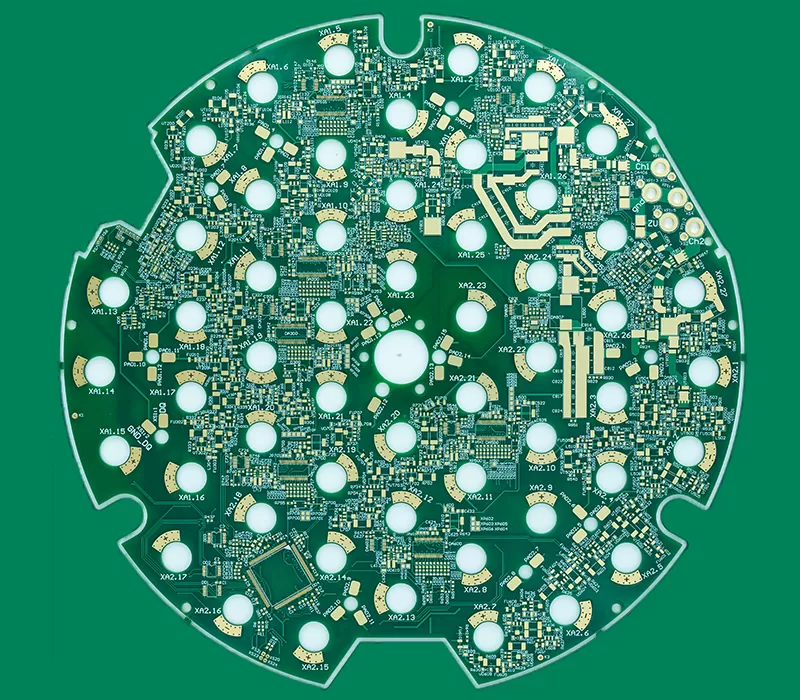
High Frequency PCB Designed by WEIYUANDA
WeiYuanDa manufactures high-frequency printed circuit boards using low-loss laminates, precision-milled copper, and impedance-matched RF stackups to support GHz-class signal transmission across complex RF and microwave systems.
| Material | Key Properties | Frequency Range | Advantages | Typical Applications |
| Rogers (RO4350B, RO3003, RO3010) | Stable Dk (3.0–10.2), ultra-low Df (as low as 0.0013), tight tolerance | Up to 77 GHz | Excellent signal integrity, broadband performance, minimal loss | 5G base stations, antenna feed networks, phased arrays, RF power amplifiers |
| Taconic (TLX, RF-35) | Low insertion loss, good thermal stability, low moisture absorption | Multi-GHz | Cost-effective, compatible with standard PCB processing | RF switches, microwave circuits, telecom equipment, high frequency PCB prototyping |
| Arlon 85N | Tg 250°C, thermal conductivity 0.20 W/m·K, strong peel strength | High-power GHz-class | Withstands extreme heat & vibration, reliable in harsh environments | Aerospace RF modules, defense radar, automotive radar, power RF boards |
| Isola IS620 (E-Fiberglass) | Reinforced fiberglass, stable up to 10 GHz | < 5–10 GHz | Affordable mid-range solution, balance of cost & performance | Consumer electronics, telecom devices, mid-range RF/high frequency circuit boards |
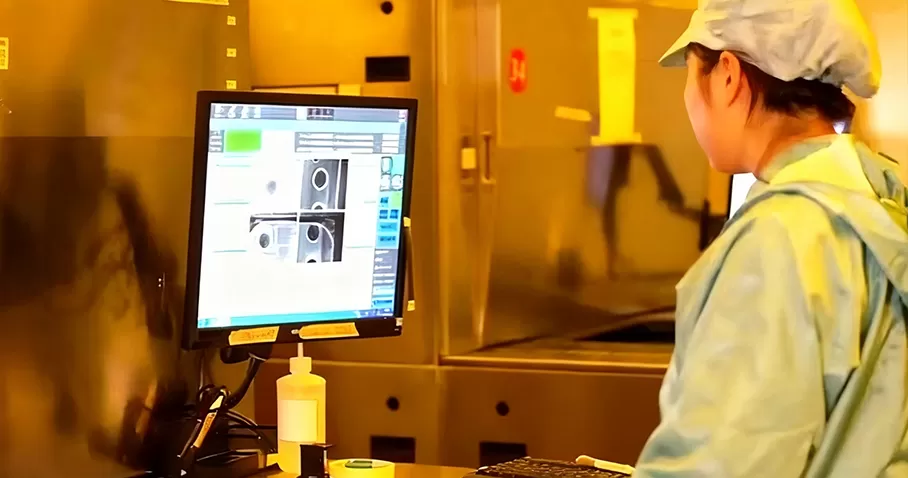
In high-frequency circuit board design, close collaboration between the design engineer and the PCB manufacturer is critical to selecting the right materials for specific frequency requirements and defining an optimized stack-up. As a trusted high-frequency PCB manufacturer, WeiYuanDa combines advanced engineering expertise with proven capabilities in controlled depth drilling, milling, and back drilling — ensuring accuracy and consistency from the very beginning of your project.
Unlike many competitors, we handle complex projects end-to-end, from layout to assembly, under one roof. With state-of-the-art technology, rigorous quality control, and a highly experienced engineering team, we deliver reliable solutions for high-quality PCB prototypes as well as large-scale production. This comprehensive capability positions WeiYuanDa as a leading high-frequency PCB factory and supplier, providing customers worldwide with the performance and confidence they need.

What are the design guidelines for high-frequency PCBs?
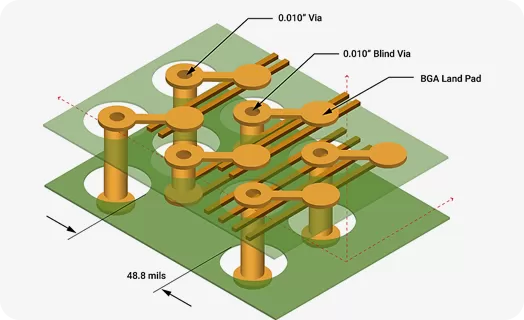
When designing a high-frequency PCB, it's essential to maintain controlled impedance, minimize trace lengths, and ensure uniform dielectric properties across all layers. Employ microstrip or stripline configurations to achieve consistent signal transmission, use tight trace widths and spacing (e.g., 3 mil / 3 mil), and avoid 90-degree corners that can cause signal reflections.
Proper return paths should be maintained, high-speed nets isolated, and continuous ground planes implemented to reduce EMI and crosstalk. Limit the number of vias, and ensure all layout choices adhere to established high-frequency circuit board design guidelines tailored to your specific RF or microwave frequency range.
What are the most common manufacturing challenges with high-frequency PCBs?
High-frequency PCB manufacturers often face issues such as copper foil roughness, which increases insertion loss, solder masks with high dissipation factors that add dielectric loss, and via stub reflections in high-speed RF layers.
Dimensional instability and thermal expansion can further shift impedance values, impacting signal integrity. To address these challenges, it is essential to use smooth copper surfaces, low-loss solder masks, backdrilled vias, and thermally stable laminates like Rogers RO3003 or Arlon 85N.
Consistent high-frequency PCB fabrication, verified impedance testing, and precise layer registration are critical to ensure reliable performance at microwave and RF frequencies.
How do I choose the right PCB material for high-frequency designs?
Material selection for high-frequency PCBs depends on the target frequency, dielectric constant (Dk), dissipation factor (Df), thermal performance, and budget. PTFE-based laminates provide superior signal integrity for designs above 10 GHz, whereas hydrocarbon-ceramic composites like RO4350B offer a balance of high performance and manufacturability.
For applications below 6 GHz, laminates such as Isola IS620 or Taconic TLX are often sufficient. Designers should also consider factors like thermal expansion coefficient, moisture resistance, and material availability when specifying laminates for high-frequency circuit boards.