EN
EN
 it
it
Get in Touch with WeiYuanDa Now!
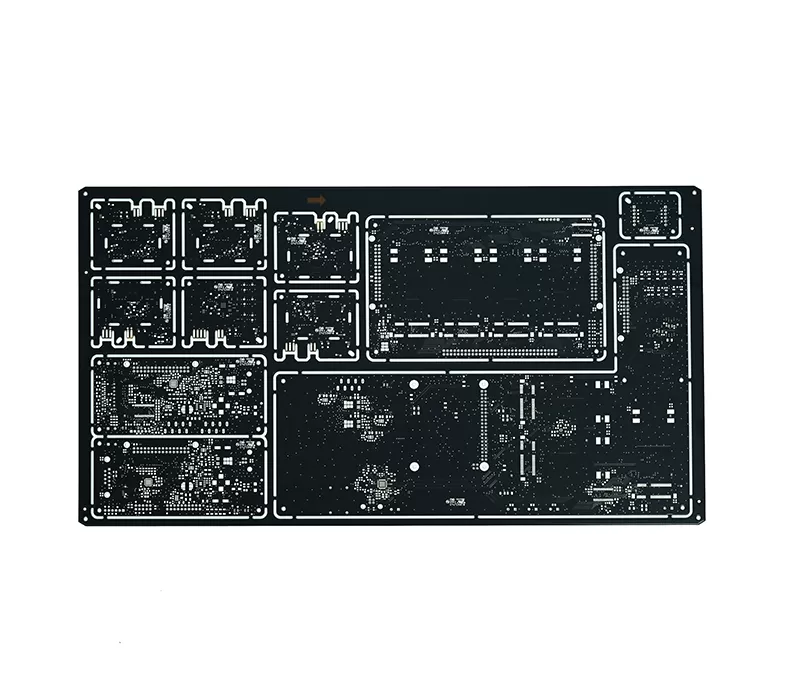
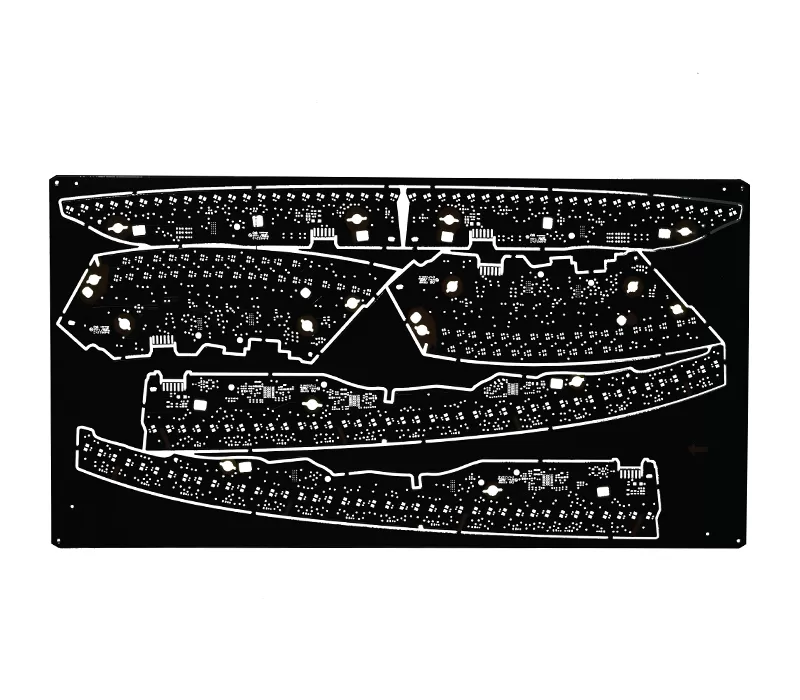
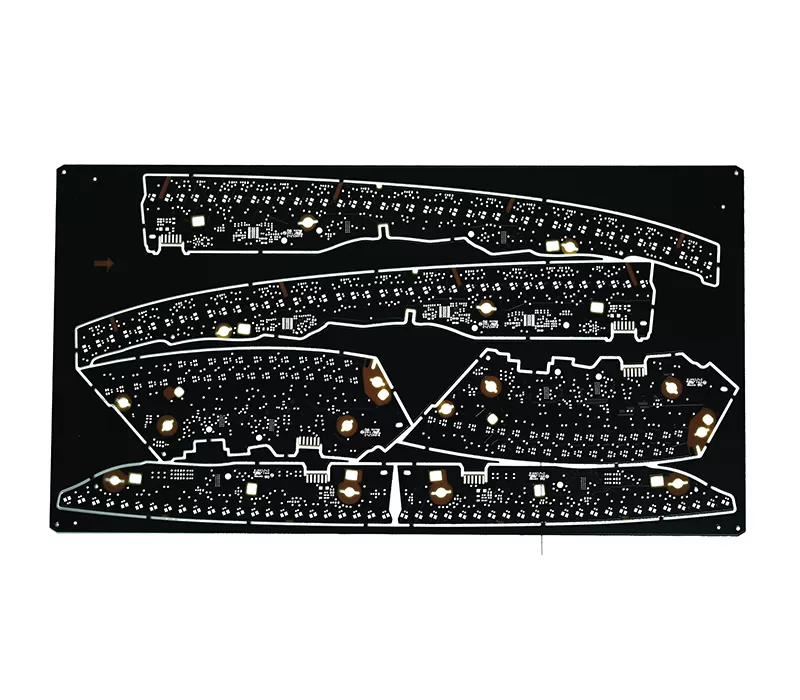
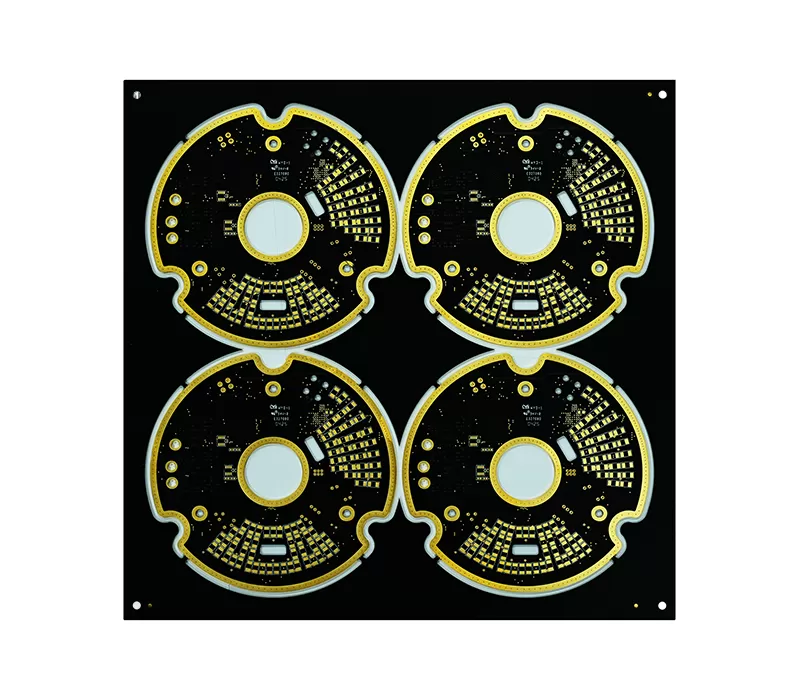
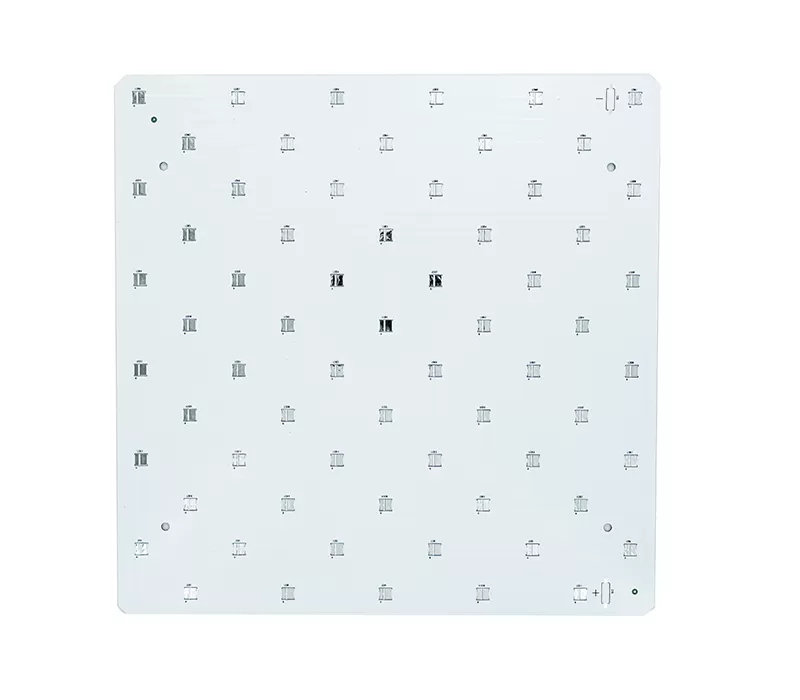
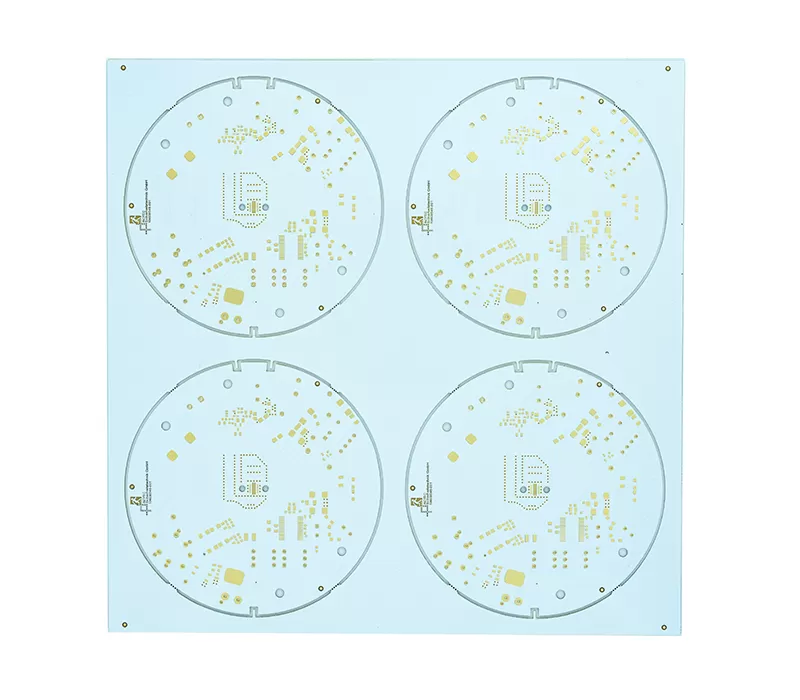
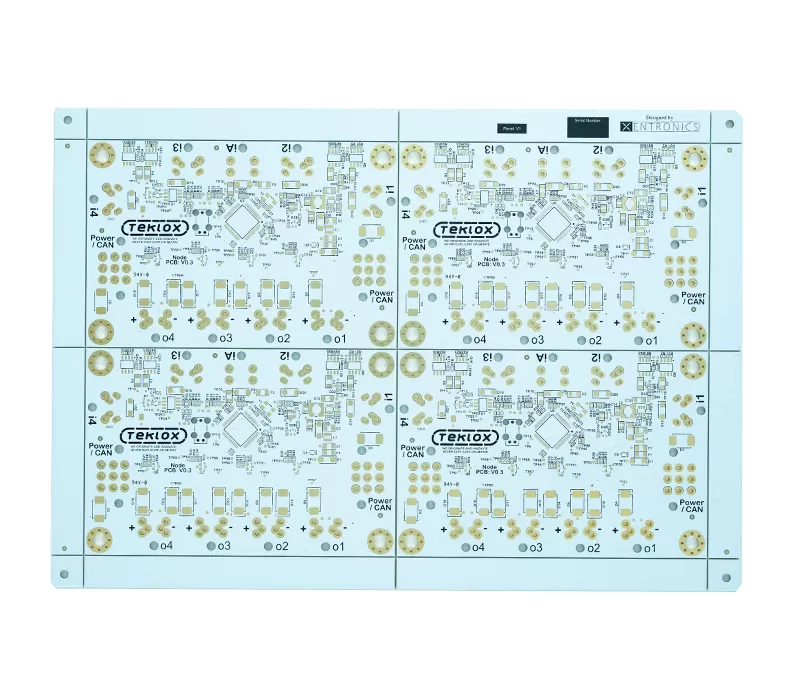

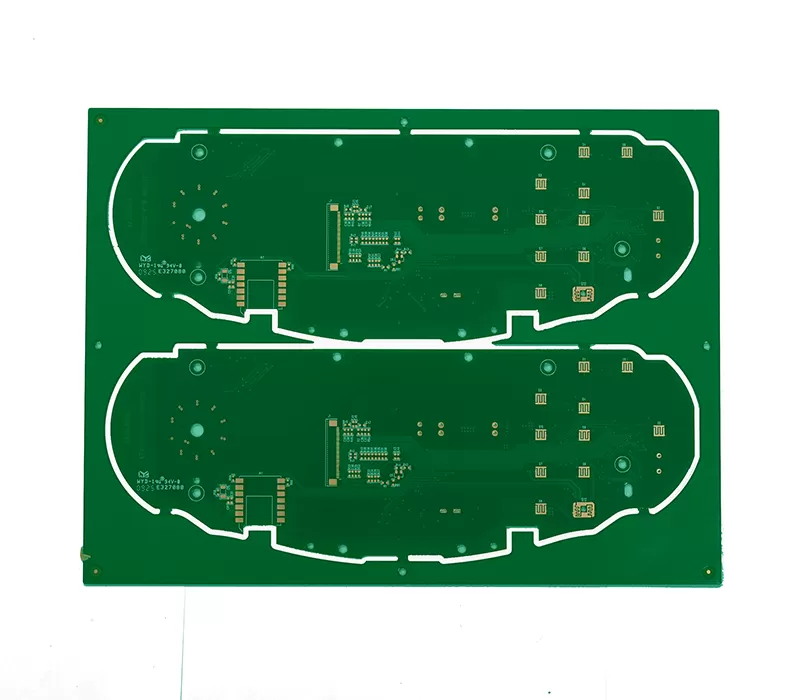
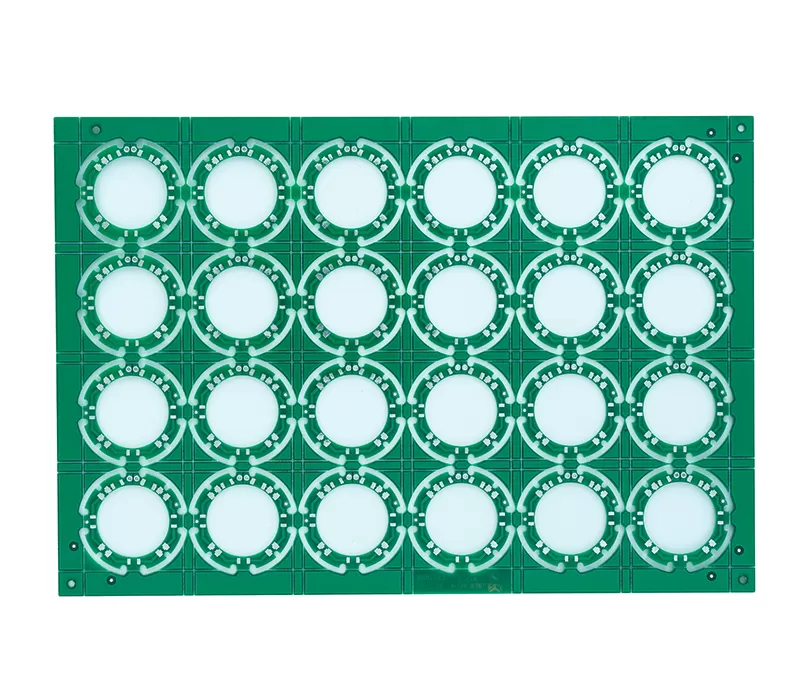
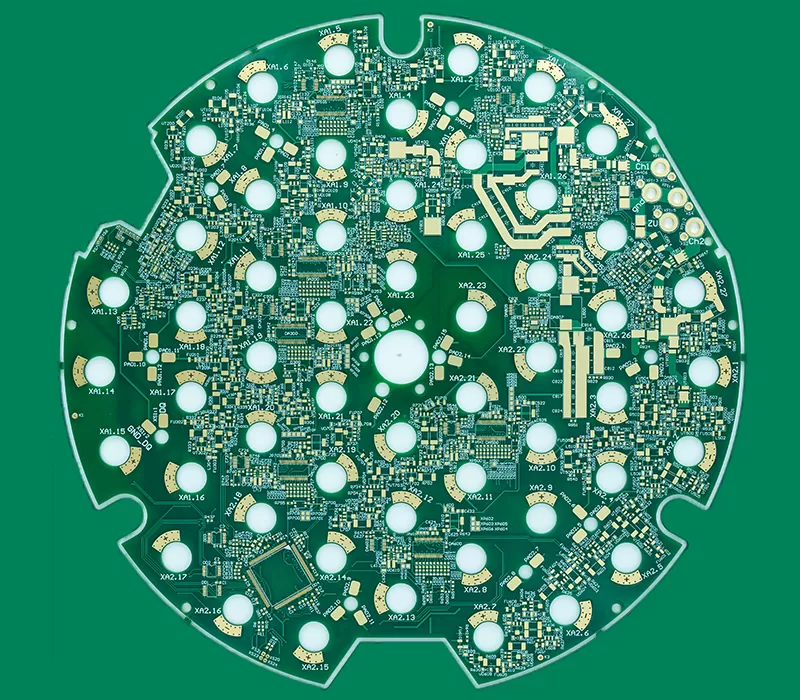
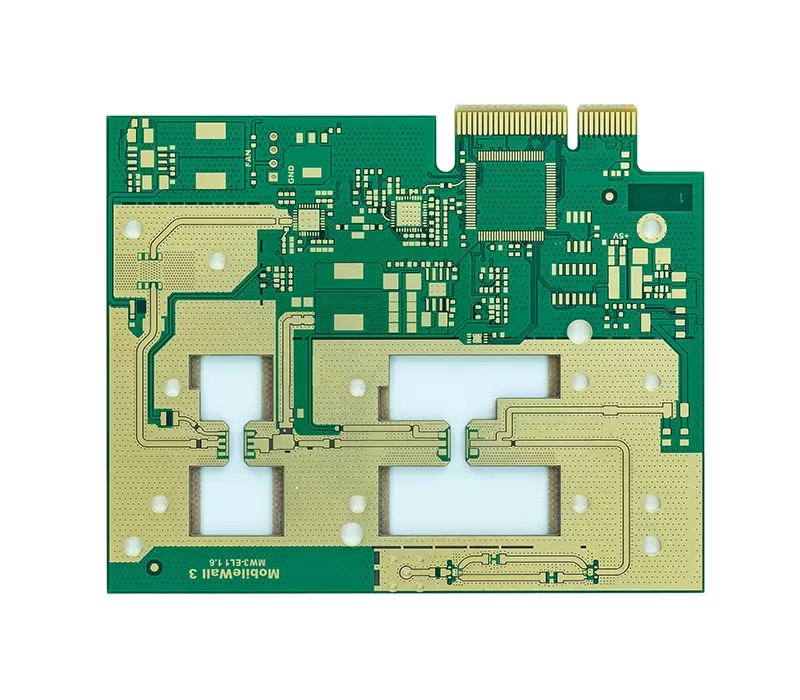
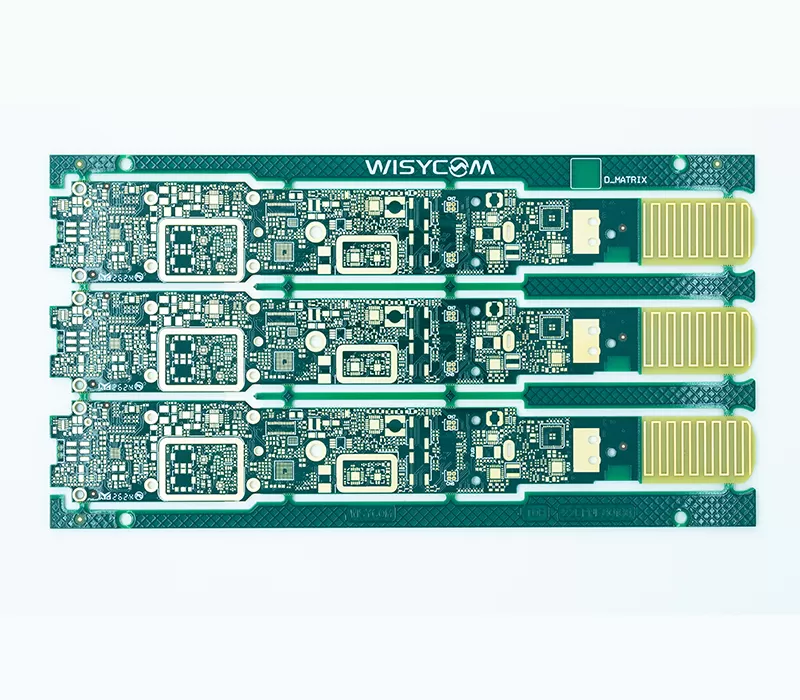
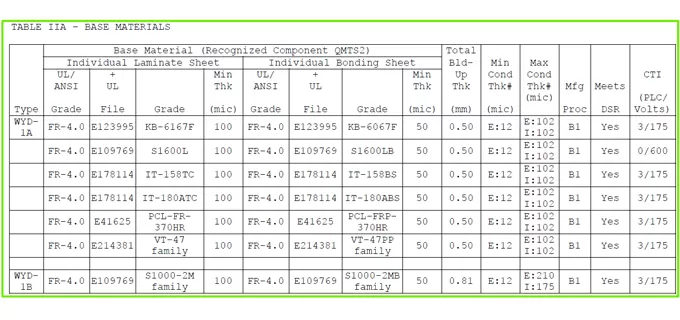
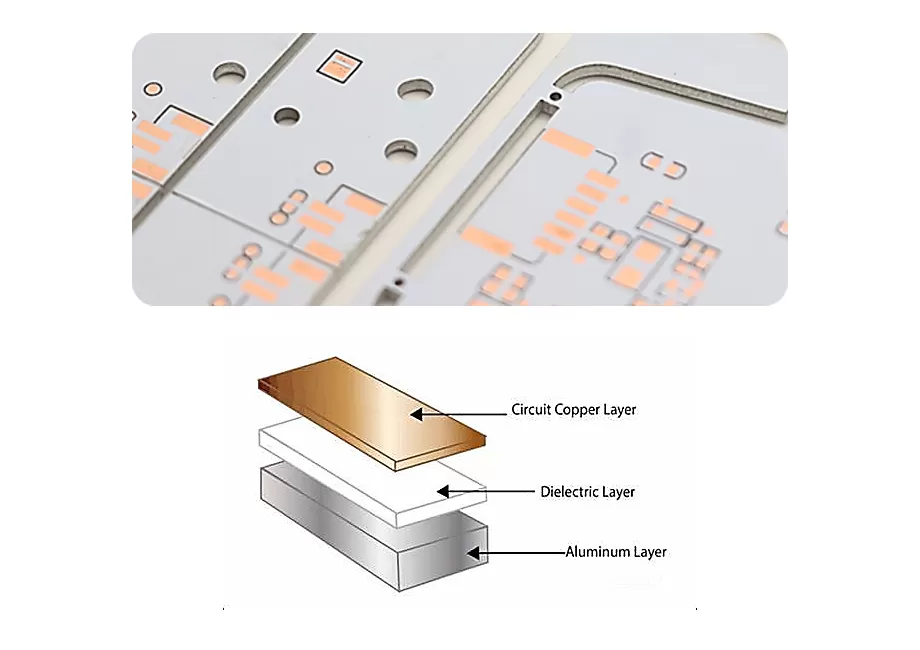
Also known as MCPCB (Metal Core PCB), an aluminum PCB board is composed of a copper circuit layer, a thermal dielectric layer, and an aluminum base. With excellent heat dissipation and superior mechanical stability, aluminum core PCBs are widely used in high-performance applications such as LED lighting, automotive electronics, and power modules.
Commonly used base materials include 6061, 5052, and 1060 aluminum, while optional substrates such as copper, stainless steel, iron, and silicon steel can be selected to meet specific thermal and structural requirements. As an experienced aluminum PCB manufacturer in China, WeiYuanDa PCB provides customized aluminium clad PCB solutions that ensure reliability, durability, and cost efficiency for global OEMs.
| Parameter | Standard | Advanced HDI |
| Layer Count | 4 | 6 |
| Max PCB Delivery Size | 400mm*500mm | 1000mm*500mm |
| Thermal Conductivity | 4kw | 7kw |
| Board Thickness | 5mm | 6mm |
| Outer Based Cu | 3OZ | 4OZ |
| Inner Based Cu | 1OZ | 2OZ |
| Aspect Ratio | 10:01 | 12:01 |
| Surface Treatment | OSP/ENIG | |
| Min Hole Sizes | 1.0mm | 0.8mm |
With excellent heat dissipation and mechanical strength, aluminum PCB boards are widely used across industries that demand high performance and reliability:
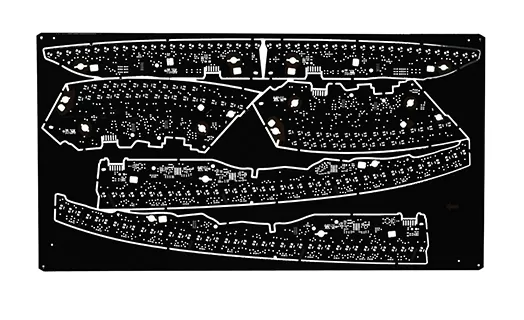
LED Lighting
Extends the lifespan of automotive headlights, commercial lighting systems, and high-brightness LEDs by ensuring stable thermal management.
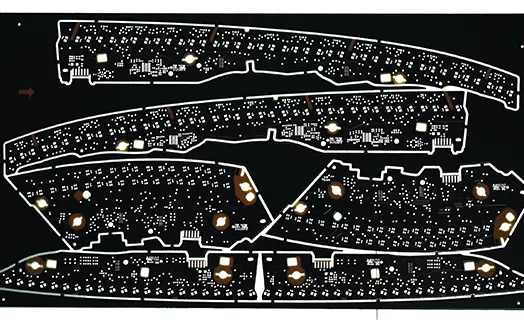
Power Electronics
Improves the efficiency of rectifiers, inverters, and switching power supplies through advanced heat dissipation.
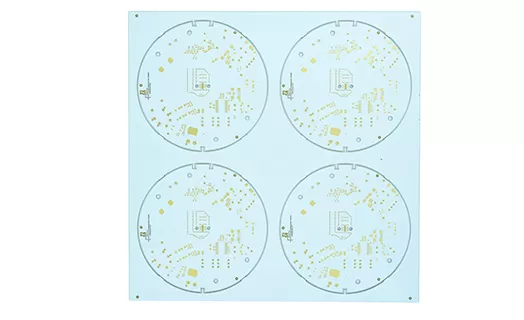
Automotive Systems
Enables reliable operation of ignition modules, motor controllers, and power distribution units with durable aluminium core PCBs.
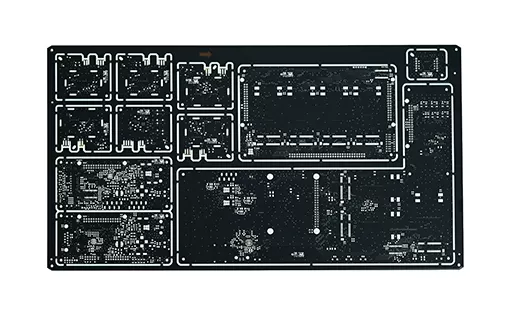
Consumer Electronics
Supports stable performance in computer power supplies, hard drives, and other compact devices requiring efficient cooling.
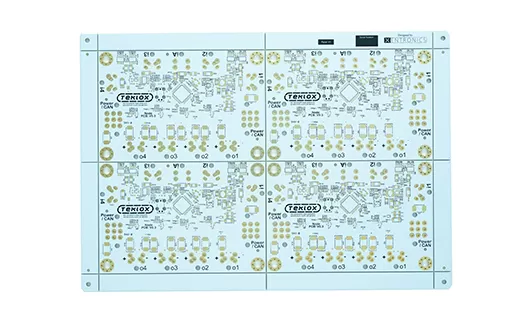
Telecommunications Equipment
Maintains signal stability by cooling high-frequency amplifiers and transmission circuits with robust aluminium clad PCBs.
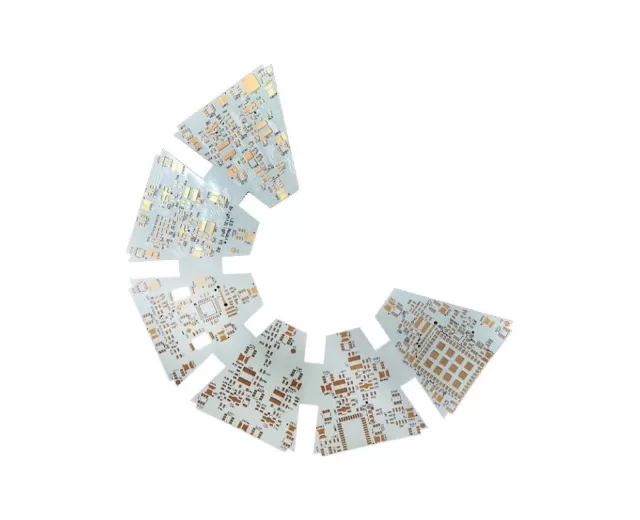
Single-Layer Aluminum PCB:
The process includes material preparation, lamination, circuit generation, drilling, solder mask application, silk screening, surface treatment, punching and board separation, testing, final inspection, packaging, and shipping.
Double-Layer Aluminum PCB:
In addition to the steps above, double-layer aluminium core PCBs involve plating after drilling to establish reliable interconnections between layers. This ensures stable performance in more complex electronic applications.
Multi-Layer Aluminum PCB:
For advanced aluminum PCB boards, the process requires inner layer processing, initial lamination, secondary lamination, drilling, plating, and outer layer circuit formation. Final steps include solder mask application, silk screening, surface treatment, punching and board separation, testing, inspection, and packaging.
By combining precise engineering and advanced materials, WeiYuanDa PCB delivers high-quality aluminium PCBs for industries such as LED lighting, power electronics, and automotive systems.
As an experienced aluminum PCB manufacturer in China, WeiYuanDa PCB follows strict, standardized processes to ensure reliability, durability, and consistent performance across different product types.
Efficient Heat Dissipation: Aluminum PCB boards provide excellent thermal conductivity, quickly dispersing heat to extend component lifespan and ensure stable performance.
High Durability: With the inherent strength of aluminum, aluminium core PCBs resist wear and mechanical stress during both production and end use.
Lightweight Design: Combining low weight with high structural integrity, aluminium clad PCBs are ideal for mobile devices and compact electronic systems.
Eco-Friendly: Non-toxic, recyclable, and compliant with RoHS standards, aluminum PCBs support energy efficiency and sustainability goals.
Cost-Effective: By eliminating the need for additional heat sinks, aluminum PCBs simplify assembly and reduce overall manufacturing costs.
These unique advantages make aluminum PCBs from WeiYuanDa PCB a reliable and cost-efficient choice for performance-driven projects in LED, automotive, and power electronics industries.
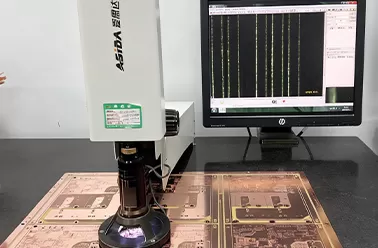
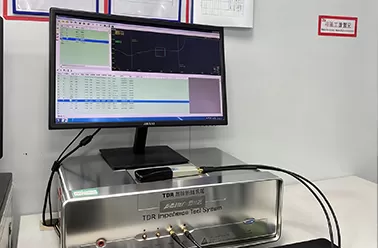
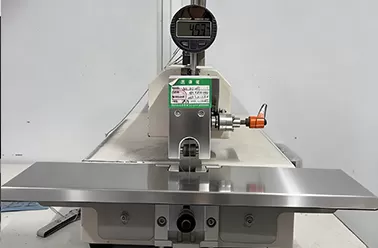
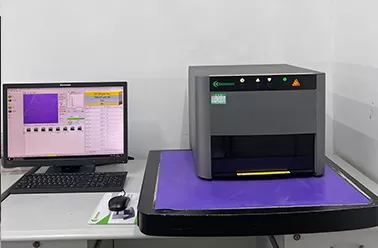
At WEIYUANDA PCB, quality assurance is at the core of our production. We utilize advanced testing and inspection equipment including AOI (Automated Optical Inspection), X-ray inspection, thermal shock testers, impedance testers, and flying probe systems to guarantee the accuracy, reliability, and consistency of every aluminum PCB board we deliver.
As a professional aluminum PCB manufacturer in China, we combine state-of-the-art facilities with strict process control to meet global standards. Our ability to provide fast aluminium PCB prototyping, stable mass production, and customized solutions makes us a trusted aluminum PCB supplier & exporter for industries such as LED lighting, automotive electronics, and power systems.
Partner with WEIYUANDA PCB today and gain a reliable aluminium circuit board manufacturer committed to performance, precision, and long-term value.

Still have no idea about how to choose the PCB aluminium board?
If you share your board size, peak power (W), target ΔT, copper weight, and mounting style, WEIYUANDA PCB can size the dielectric and recommend an exact aluminum thickness + stackup. So feel free to contact us now!
From WEIYUANDA PCB: As your aluminum PCB manufacturer and supplier in China, we can prototype multiple core thicknesses (0.8/1.0/1.2/1.6/2.0/3.0 mm) and dielectric options to validate thermal + mechanical performance before locking mass production.
What are the advantages of using Aluminum PCBs over traditional FR4 PCBs?
If your design involves high-power, high-heat applications (like LED lighting, power converters, automotive electronics, or telecom systems), Aluminum PCBs are the better choice over FR4. They ensure longer lifespan, better thermal stability, and reduced total system cost. To know about the details, click for Aluminium PCB vs FR4 PCB
What aluminum core thickness actually does?
Thermal path: Thicker aluminum spreads heat laterally but the dielectric layer (not the aluminum) dominates junction-to-base thermal resistance.
Stiffness/flatness: Bending stiffness scales ~ with thickness³. Thicker cores stay flatter over large panels or heavy parts.
Weight & cost: More metal = heavier (shipping/mounting) and slightly higher processing cost.
Assembly: Very thick cores (≥3.0 mm) need larger panel tabs/stronger depaneling; small PCBs may be harder to break out.
What's the Typical choices (rule-of-thumb) of thickness of aluminium core PCB?
0.8–1.0 mm: Tight spaces, handheld/portable, light components, moderate heat.
1.5–1.6 mm (most common): LED modules, general power boards—good stiffness + manageable weight.
2.0 mm: Higher power density, larger boards, automotive/industrial vibration.
3.0 mm+: Heavy heat loads or large panels needing rigidity; check machining/depaneling limits.
How to choose according to the application?
LED lighting (COB/COG modules): 1.0–1.6 mm Al, dielectric 75–100 µm @ 1–3 W/m·K. Click for PCB for LED lights
Power supplies / motor drivers: 1.6–2.0 mm Al, thicker Cu (2 oz) if needed. Click for Power Supply PCB Board
Automotive/industrial, high vibration: 2.0 mm (or 3.0 mm for large/heavy assemblies). Click for Automotive PCB
What surface finishes are compatible with Aluminum PCBs?
Popular surface finishes for aluminum PCBs include OSP, ENIG, and HASL. However, due to the unique properties of aluminum, some surface finishes may not be suitable, and it is important to consult with the aluminum base PCB supplier for guidance.