EN
EN
 it
it
Get in Touch with WeiYuanDa Now!

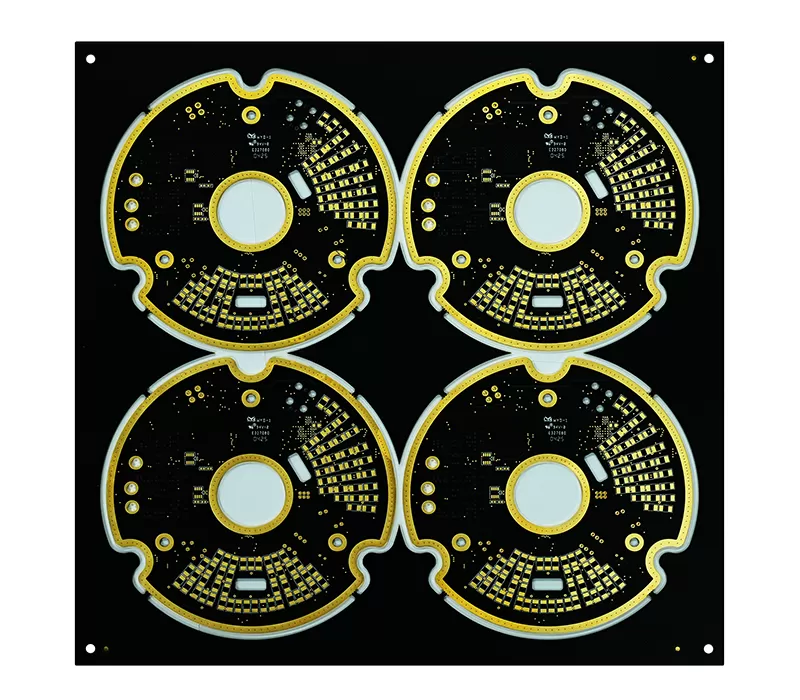
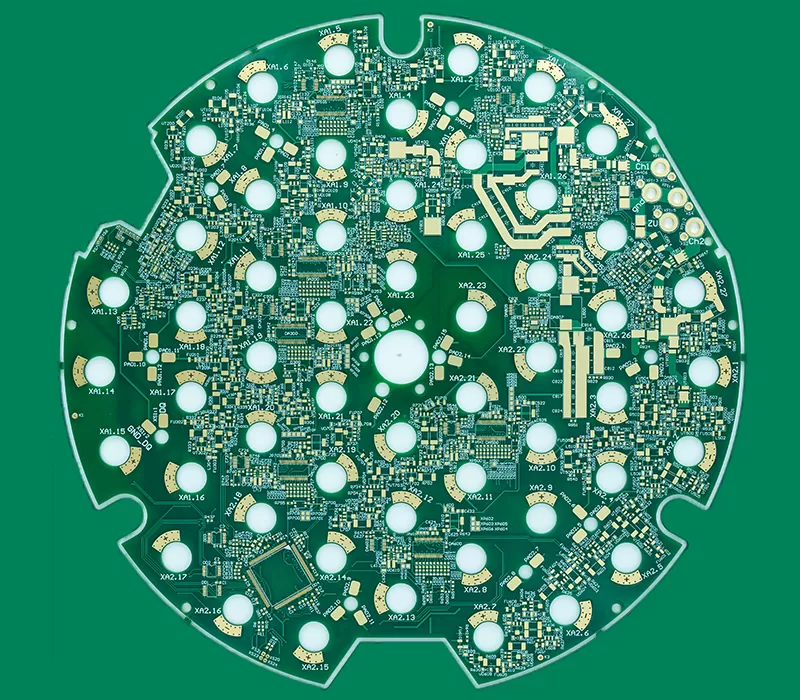
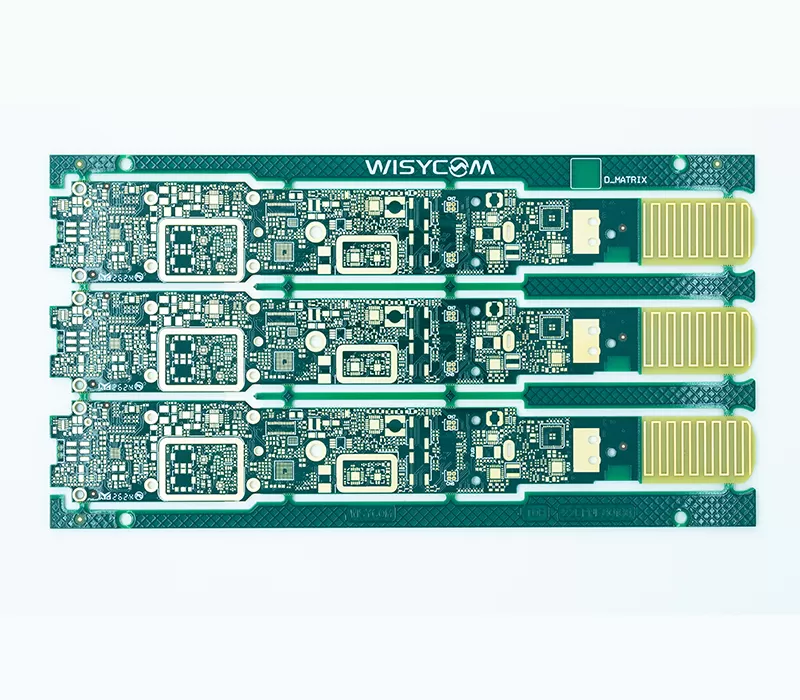
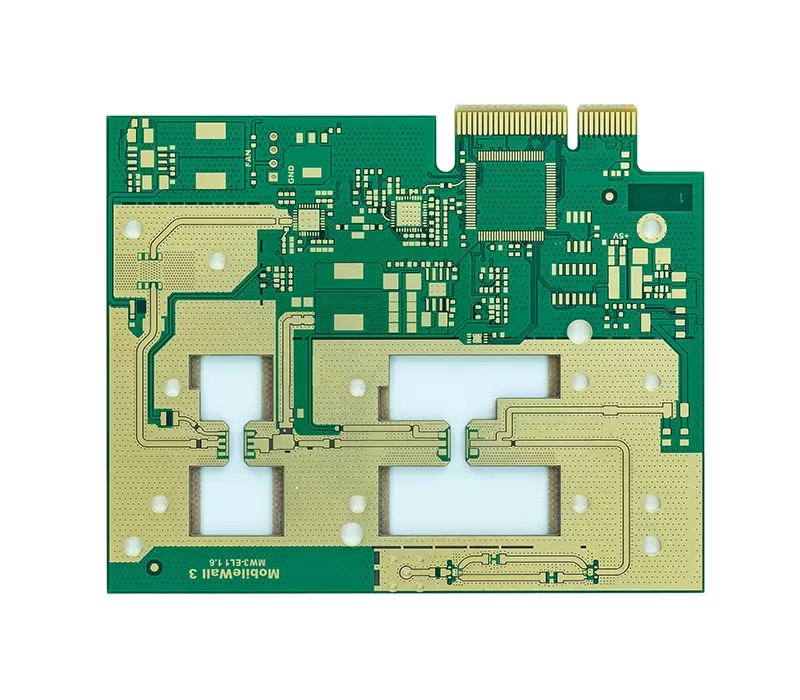
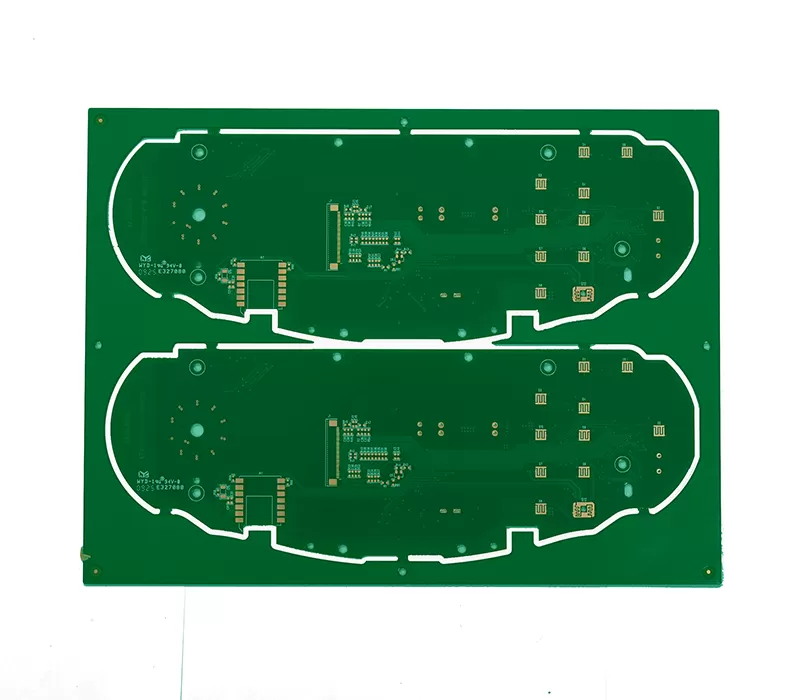
Single-layer PCBs feature a single copper layer on one side, making single layer PCB boards ideal for simple, cost-sensitive electronic designs. Widely used in consumer devices, IoT products, and prototypes, these boards ensure reliable performance and compact layouts.
As a trusted single layer PCB manufacturer, Weiyuanda delivers scalable solutions for both prototyping and mass production, ensuring consistent quality, fast turnaround times, and high customer satisfaction.
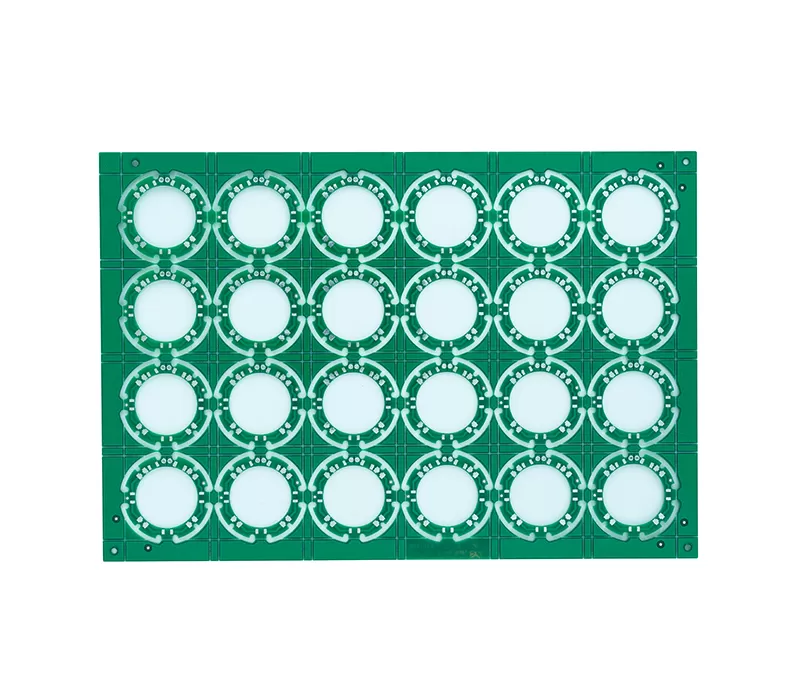
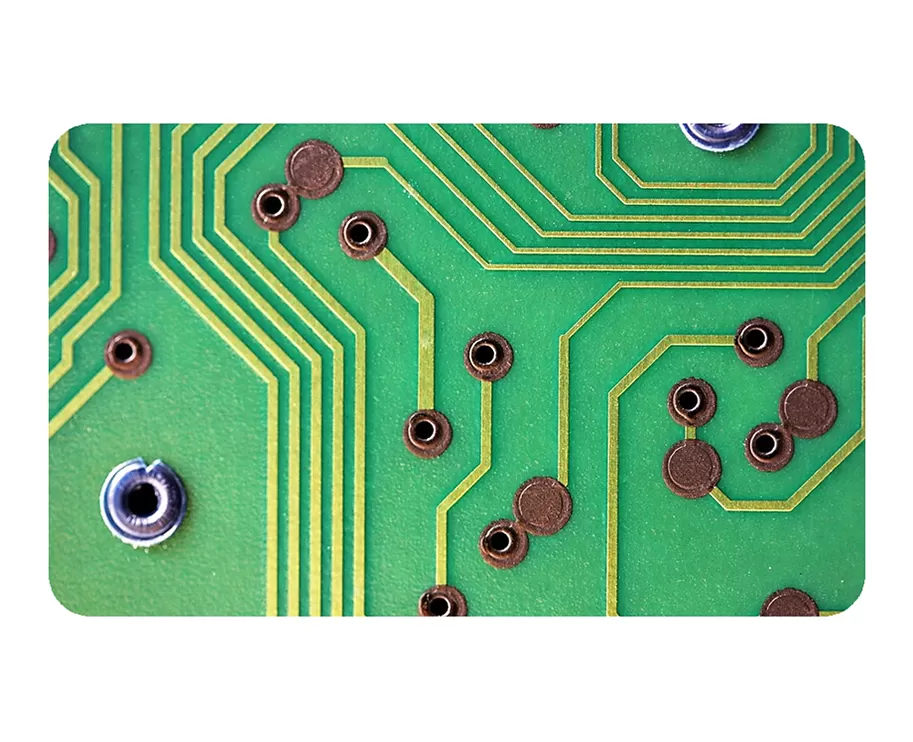
A single layer PCB board is a printed circuit board with a conductive copper layer on only one side, while the other side is an insulating substrate. This single sided circuit board structure makes it a highly cost-effective solution for simple electronic designs.
Single-Sided Design
Wiring is on one side only, with components soldered on the same side.
Substrate Selection
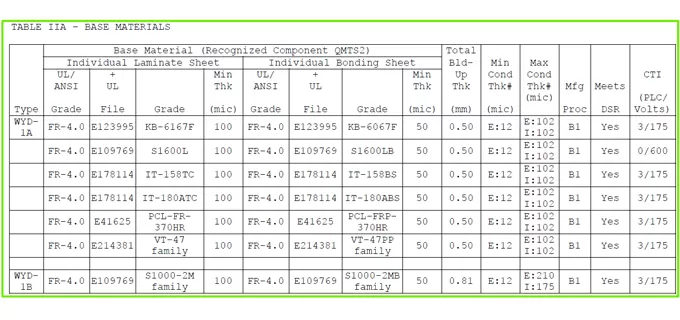
Commonly uses FR4, CEM-1, or phenolic resin, with thicknesses ranging from 0.4 to 3.2 mm.
Surface Treatment
Often employs HASL or OSP, which are cost-effective and easy to produce.
Copper Thickness Range
Typically 1-2 ounces, suitable for low-power applications.
Compared to multilayer PCBs, single-layer PCBs offer the following advantages:
Cost-Effective: Simplified manufacturing and no interlayer connections make single layer PCB boards ideal for budget-conscious projects.
High Production Efficiency: Short production cycles and straightforward fabrication processes enable rapid prototyping and large-scale production.
Easy to Design: Single-sided layouts are intuitive for beginners, educational projects, and simple industrial circuits.
Convenient Maintenance: With all components concentrated on one side, inspection, troubleshooting, and repair are simplified, making it ideal for single-sided PCB applications.
Single-layer PCB boards are more than just circuit boards—they are the economic foundation for simple electronic designs. With the growing popularity of the Internet of Things and consumer electronics, their value in basic applications remains significant. As high-quality PCB manufacturer, we are proud to offer single-layer PCB solutions, helping our clients gain an edge in cost-sensitive fields.
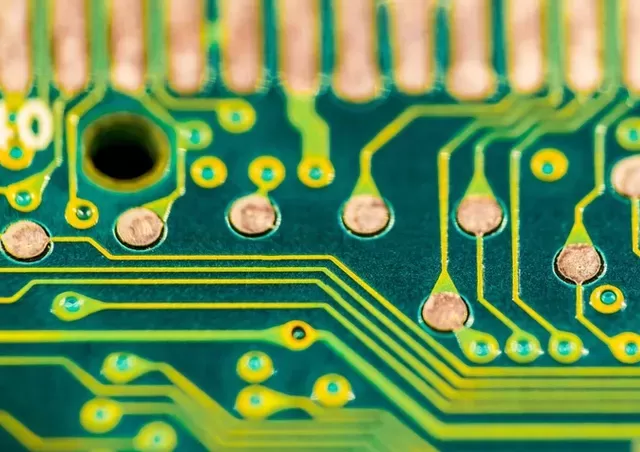
Consumer Electronics: Remote controls, calculators, and simple IoT devices benefit from single-sided PCB boards for compact and cost-efficient designs.
Automotive Electronics: Low-complexity control modules, sensors, and dashboards use single-sided PCB prototypes for quick development and low-cost production.
Industrial Equipment: Basic controllers, measurement devices, and single-function automation modules rely on single layer PCB boards for stability and easy maintenance.
Education & Prototyping: Ideal for student projects and single-sided PCB prototypes, allowing fast learning and hands-on experimentation.
Single-layer PCBs remain essential in cost-sensitive and simple electronic applications. Their reliability and efficiency make them widely adopted across:

How Single-sided PCB Boards Fit Into Modern Electronics?
Single-sided circuit boards remain the backbone of many modern electronic devices where simplicity, reliability, and cost-efficiency are prioritized. They are widely applied in IoT sensors, smart home gadgets, and basic industrial controllers. While multilayer flexible PCBs are essential for complex circuits, single-sided PCB boards still dominate entry-level and cost-sensitive applications.
What is the Difference Between Single-Layer and Multi-Layer PCBs?
Single-layer PCBs and multi-layer PCBs are both essential for different applications. Understanding the key differences will help you choose the right single layer PCB board or multi-layer solution for your product.
Complexity:
A single-layer printed circuit board (also called a single-sided circuit board) contains only one conductive copper layer, which makes routing simpler and manufacturing more straightforward. In contrast, multi-layer PCBs use multiple stacked copper layers to support high-density, high-speed and highly integrated designs.
Cost:
A single-sided PCB board is significantly more cost-effective to produce because it requires fewer materials, fewer process steps and no internal layer alignment. Multi-layer boards involve lamination, drilling and inter-layer connections, making them more expensive to fabricate.
Applications:
Single-layer PCB boards are ideal for low-to-medium complexity electronics, while multi-layer PCBs are used in high-speed communication systems, computing hardware and advanced control units. Many single-sided PCB boards applications such as power supplies, LED lighting modules and household electronics rely on the efficiency and reliability of a single copper layer design.
When to Choose Single-Layer PCB Boards for Your Projects?
Single-layer PCBs are an excellent choice for projects with limited complexity, tight budgets and predictable electrical requirements. Below are the most common scenarios where a single sided PCB board delivers the best balance of performance and cost.
Low-Complexity Devices: Devices that do not require high-density routing or cross-layer signal connections perform perfectly on a single layer printed circuit board, ensuring stable operation with minimal design risk.
Prototyping: A single sided PCB prototype allows engineers to validate circuit layouts quickly and economically. Compared with multi-layer designs, prototypes from a single sided PCB factory can be produced faster and at much lower cost.
Consumer Goods: Products such as home appliances, electronic toys, calculators and power adapters widely use single sided PCB applications because the circuits are simple, robust and easy to assemble at scale.
Educational and DIY Projects: For training, teaching and DIY electronics, the visible routing and straightforward structure of a single sided circuit board makes it easier to understand, modify and troubleshoot.
By sourcing from reliable single layer PCB suppliers or single sided PCB manufacturers, companies can ensure consistent quality, scalable production and long-term supply stability for these types of projects.