EN
 it
 fr
 de
 ru
 pt
 es
Get in Touch with WeiYuanDa Now!


The cost of a PCB depends on multiple factors, including material selection, board dimensions, production quantity, manufacturing requirements, and testing processes. For buyers sourcing a single sided PCB, understanding how each factor affects pricing can help create a more accurate budget and compare supplier quotations more effectively.
Compared with multilayer boards, a single layer PCB generally has a simpler structure and lower manufacturing complexity. However, the final printed circuit board cost is still influenced by design details, material choices, surface finishing options, and production requirements. A clear understanding of these cost elements helps buyers make better decisions when developing electronic products.

The price of a single sided PCB board is not determined by one factor alone. Manufacturers calculate costs based on the complete production process, including materials, processing steps, equipment usage, and quality requirements.
Common cost elements include:
| Cost Factor | How It Affects PCB Cost |
| Board material | Different substrates and copper thicknesses influence material expenses |
| Board size and shape | Larger or complex designs require more material and processing time |
| Production quantity | Higher volumes usually reduce average manufacturing cost |
| Tooling and setup | New designs may require engineering preparation and production setup |
| Surface finishing | Different finishing methods have different processing costs |
| Testing requirements | Additional inspection and electrical tests may increase overall cost |
For a single sided PCB, material and processing costs are usually lower than multilayer alternatives because only one copper layer is involved. However, factors such as special materials, custom dimensions, and strict quality requirements can still influence the final quotation.
When requesting prices from PCB manufacturers, buyers should provide complete design information, including board specifications, quantity, surface requirements, and testing expectations. This allows suppliers to provide more accurate cost evaluations.
Board dimensions are one of the most direct factors affecting PCB cost. A larger board requires more raw material and may reduce the number of finished units produced from each production panel.
The shape of the PCB also influences manufacturing efficiency. Standard rectangular boards are usually easier to arrange on panels, while irregular shapes may create more unused space during production.
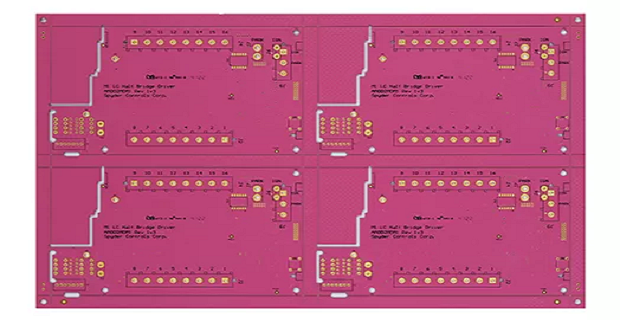
Panel utilization refers to how efficiently multiple PCB designs are arranged on a manufacturing panel. Better utilization helps reduce material waste and can lower the average cost per board.
For a single sided PCB, optimizing board size and layout does not necessarily mean making the board smaller. Instead, engineers should balance electrical requirements, assembly needs, and manufacturing efficiency. A well-planned design can improve production efficiency without affecting product performance.
Material selection has a significant impact on the cost and performance of a PCB. Different applications may require different substrate materials depending on operating conditions, mechanical requirements, and budget limitations.
Common material considerations include substrate type, copper thickness, and surface finishing options. A standard application may use economical materials, while products requiring higher reliability may need upgraded specifications.
Copper thickness can also affect cost. Thicker copper layers provide better current-carrying capability but usually require additional material and processing considerations.
Surface finishing is another important factor in printed circuit board cost. Different finishing options provide different levels of solderability, durability, and storage performance. Buyers should select a suitable surface finish based on assembly requirements rather than choosing only the lowest-cost option.
For many applications, a properly specified single sided PCB provides a cost-effective solution while maintaining sufficient electrical performance.
Production quantity plays an important role in PCB pricing. Small-volume orders often have higher average costs because setup, engineering preparation, and production processes are distributed across fewer boards.
Large-volume production can usually reduce the unit cost because fixed preparation expenses are spread across more products. However, buyers should also consider inventory requirements and product demand before selecting order quantities.
Tooling and setup costs may apply when producing a new PCB design. These costs can include engineering review, production preparation, and manufacturing file processing.
Electrical testing requirements can also affect the final quotation. Basic inspection may be included in standard production, while additional testing procedures may increase costs depending on product requirements.
When comparing quotations for the same single sided PCB, buyers should look beyond the final unit price. Different suppliers may include different materials, processes, and quality standards in their offers.
Important comparison points include:
Material specifications: Confirm that all suppliers quote the same substrate type and copper thickness.
Surface finishing: Ensure the quoted finishing method matches the required application.
Production quantity: Compare prices based on the same order volume.
Testing requirements: Check whether electrical testing and inspection are included.
Lead time and support: Consider production capability, communication efficiency, and engineering assistance.
A lower quotation may not always represent a better value if it excludes important manufacturing requirements. A complete comparison helps buyers evaluate both cost and production reliability.
The cost of a single sided PCB depends on multiple factors, including board size, materials, copper thickness, surface finishing, quantity, tooling, and testing requirements. Although a single layer PCB has a simpler structure than multilayer alternatives, careful design and supplier evaluation are still important for controlling printed circuit board cost. By understanding how each factor affects pricing, buyers can select suitable specifications and work with manufacturers more efficiently.
A single sided PCB uses only one copper layer, which reduces material usage and manufacturing complexity compared with multilayer boards.
The main factors include board size, material selection, production quantity, surface finish, tooling requirements, and testing needs.
Yes. Larger production quantities often reduce the average cost per PCB because setup and production expenses are distributed across more units.
Different substrate materials, copper thickness options, and performance requirements can change material and processing costs.
Buyers can reduce costs by optimizing board size, selecting suitable materials, improving panel utilization, ordering appropriate quantities, and comparing quotations with the same specifications.