EN
 it
 fr
 de
 ru
 pt
 es
Get in Touch with WeiYuanDa Now!


Understanding the main cost drivers in aluminum PCB manufacturing helps engineers and purchasing teams control budgets without compromising thermal performance or product reliability. Unlike standard FR-4 boards, aluminum-based printed circuit boards combine a conductive copper layer, an electrically insulating dielectric layer, and a metal base. Each layer contributes to the board's performance and manufacturing cost. Other factors, including board dimensions, copper thickness, processing requirements, and order quantity, also affect the final quotation. By understanding these variables, buyers can make informed design decisions and obtain a more cost-effective aluminum PCB board for their applications.
The cost of an aluminum PCB depends on both raw materials and the manufacturing processes needed to turn them into a finished board. The aluminum base, copper foil, dielectric material, and surface finish all contribute to the total price.
An aluminum base PCB is designed to transfer heat away from electronic components while maintaining electrical insulation between the copper circuitry and metal substrate. Higher-performance materials may cost more but can be necessary for applications involving high power or demanding thermal conditions.
Several factors commonly influence the quotation:
Base material: Aluminum thickness, grade, and availability affect material cost.
Copper foil: Thicker copper may require more material and additional processing considerations.
Dielectric layer: Thermal conductivity, thickness, and insulation performance influence material selection.
Board complexity: Unusual shapes, cutouts, and tight manufacturing tolerances can increase processing time.
Order quantity: Larger production runs may reduce the unit cost by distributing setup and tooling expenses across more boards.
When comparing suppliers, buyers should confirm that quotations use equivalent material specifications, dimensions, tolerances, and testing requirements. A lower initial price may not represent the best value if the board does not meet the application's thermal or electrical needs.
The dielectric layer is a critical part of an aluminum PCB because it provides electrical insulation while allowing heat to pass toward the metal base. Its specifications can significantly affect both material cost and thermal performance.
A thinner dielectric layer may reduce thermal resistance, but it must still meet the required dielectric strength and insulation requirements. Materials with higher thermal conductivity may improve heat transfer, although they can increase manufacturing costs. The right specification depends on operating voltage, component power, and the expected thermal environment.
Copper thickness also influences cost. Standard copper thickness may be sufficient for low-current circuits, while power applications may require thicker copper to carry higher currents and manage temperature rise.
Before selecting materials, engineers should consider:
Required current capacity and acceptable temperature rise.
Electrical isolation and operating voltage.
Thermal resistance between components and the aluminum base.
Manufacturing tolerances and the availability of specified materials.
Choosing the thickest copper or most expensive dielectric is not automatically the best approach. Matching these specifications to actual operating requirements helps control cost while maintaining performance.
Board size directly affects the amount of aluminum, copper, and dielectric material required. Larger boards generally consume more raw material, while irregular outlines and special cutouts can increase machining time and material waste.
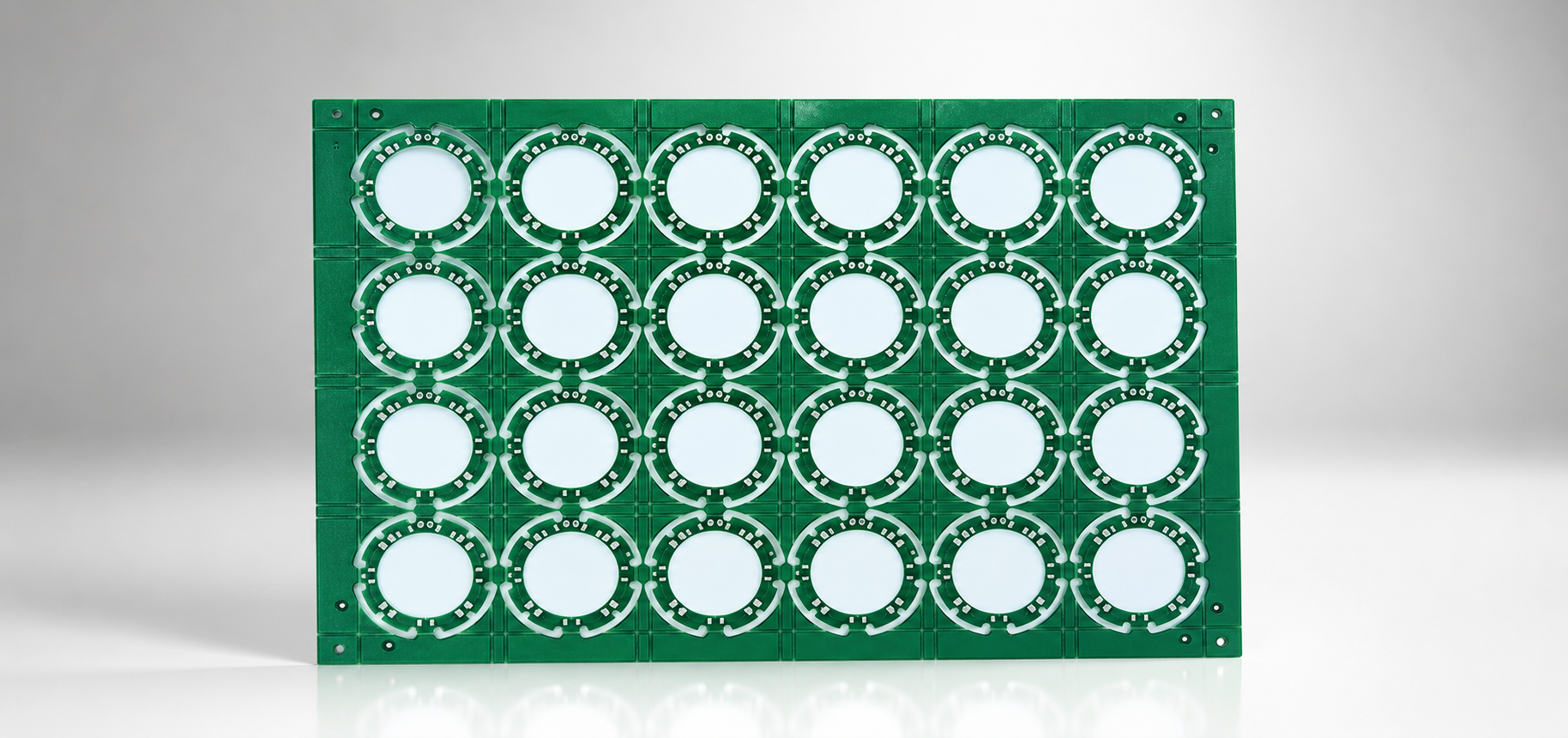
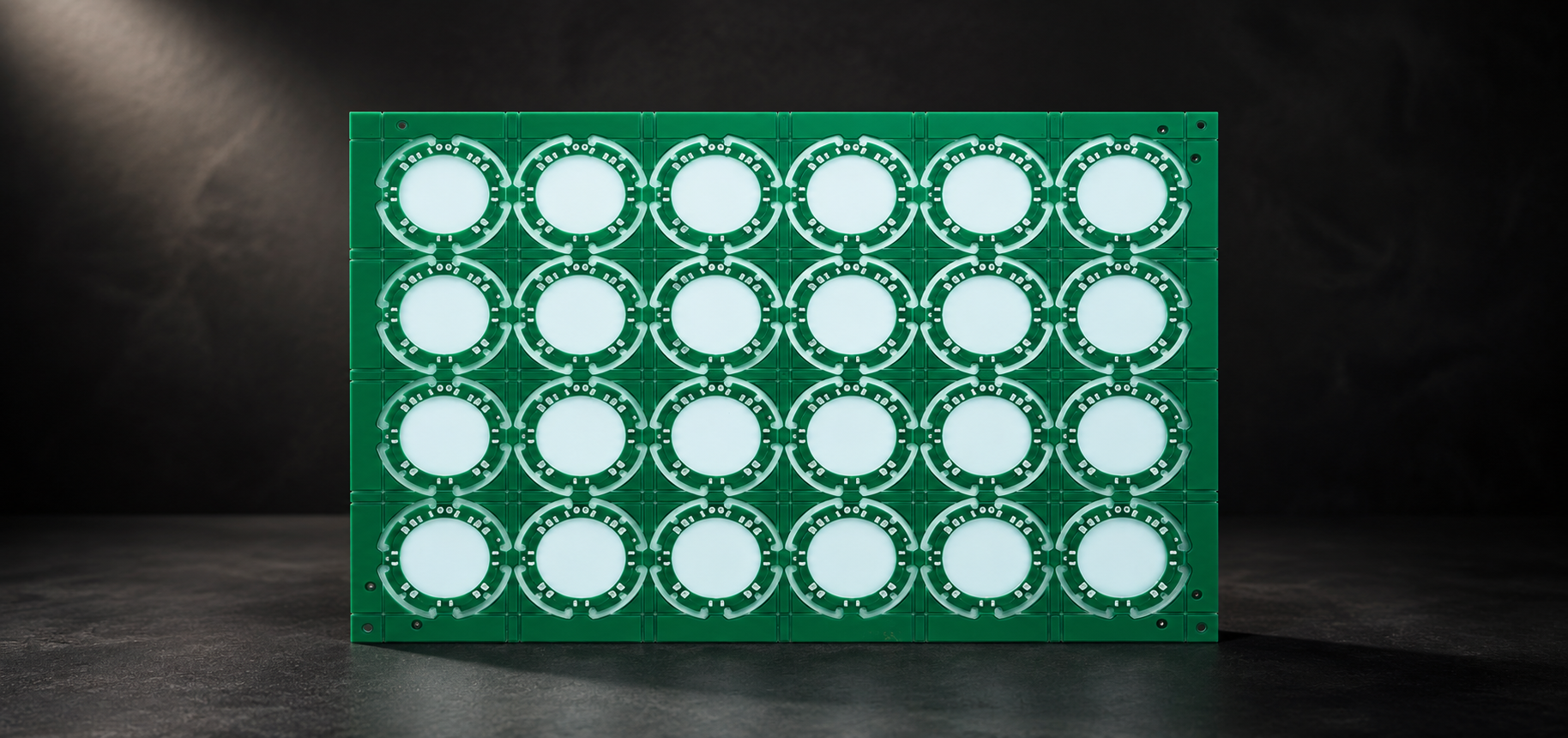
Panel utilization is another important cost factor. Manufacturers typically arrange multiple PCB designs on a production panel to make better use of available material. A layout that fits more boards onto each panel can reduce waste and improve production efficiency.
Designers can support better panel utilization by using practical board dimensions, avoiding unnecessary outline complexity, and discussing manufacturing constraints with the supplier before finalizing the layout.
However, reducing board size should not compromise component spacing, heat dissipation, mounting strength, or electrical clearances. The objective is to optimize the design for manufacturing while preserving its required functionality.
Beyond the basic materials, several manufacturing operations contribute to the final printed circuit board cost. The amount depends on the board design and the supplier's production capabilities.
Drilling and routing are used to create mounting holes, slots, and board outlines. Numerous holes, unusual shapes, or tight tolerances may increase processing time. Aluminum PCB designs also require careful consideration of insulation around conductive features and the relationship between the circuit layer and metal base.
Surface finish affects solderability, oxidation protection, and assembly compatibility. Options such as HASL, OSP, and ENIG have different processing requirements and costs. The appropriate finish depends on component pitch, assembly methods, and product requirements.
Testing and inspection may include dimensional checks, electrical continuity testing, insulation verification, and other specified quality controls. Additional testing can increase upfront cost but may help prevent defects and expensive failures later.
Buyers should specify which inspections and tests are required rather than assuming that every quotation includes identical quality procedures.
Reducing aluminum PCB cost starts with identifying design features that add expense without delivering meaningful benefits to the application.
Practical strategies include:
Optimize material specifications: Select dielectric performance and copper thickness according to calculated electrical and thermal requirements.
Simplify the board outline: Reduce unnecessary cutouts and complex routing features where the enclosure and mechanical design allow.
Improve panel utilization: Coordinate board dimensions and production quantities with the manufacturer.
Choose an appropriate surface finish: Avoid paying for premium finishes when standard options meet assembly requirements.
Plan production quantities: Larger orders may reduce unit costs, depending on setup charges, material purchasing, and demand forecasts.
Requesting a design-for-manufacturing review before production can reveal opportunities to simplify fabrication. Any proposed cost reduction should be checked against thermal performance, electrical insulation, mechanical strength, and reliability requirements.

The cost of an aluminum PCB depends on material selection, dielectric requirements, copper thickness, board dimensions, manufacturing complexity, and testing. Buyers can control spending by optimizing panel utilization, selecting suitable finishes, and matching material specifications to actual operating conditions. Working with a manufacturer early in the design process helps identify savings while maintaining the thermal and electrical performance required for the finished product.
Material specifications, board dimensions, copper thickness, dielectric performance, and order quantity are common cost drivers. Their relative impact depends on the design and manufacturing requirements.
Generally, yes. Thicker copper can require more material and may affect processing requirements. It should be selected according to current capacity and thermal needs.
Potentially. A suitable dielectric may improve heat transfer and help meet thermal requirements, but its higher material price should be evaluated against the complete design and cooling system.
Provide the board dimensions, copper thickness, dielectric specifications, aluminum base requirements, surface finish, quantity, tolerances, and testing needs. Complete specifications help manufacturers prepare comparable and accurate quotations.